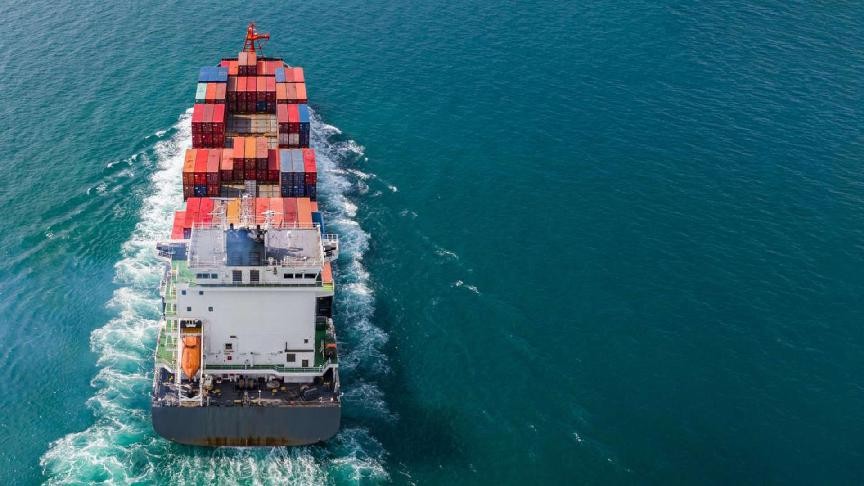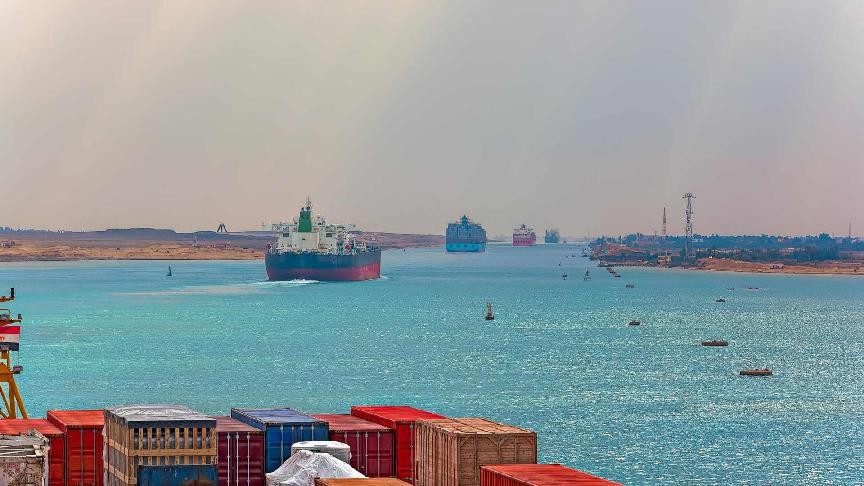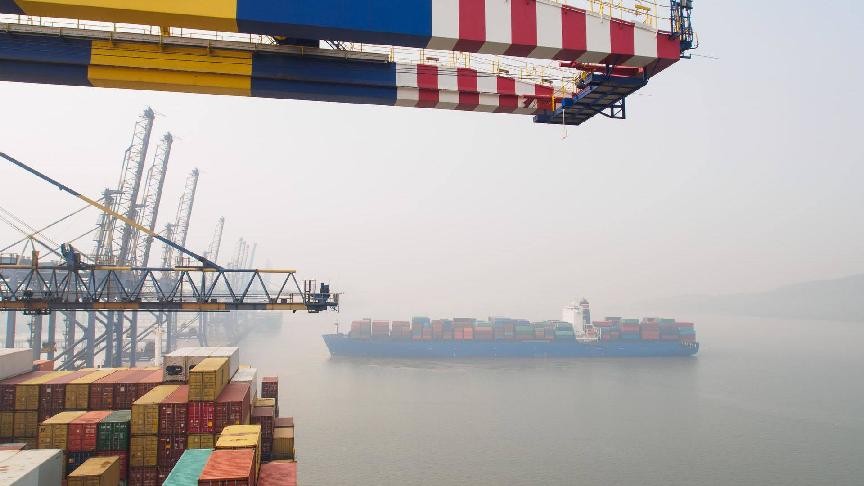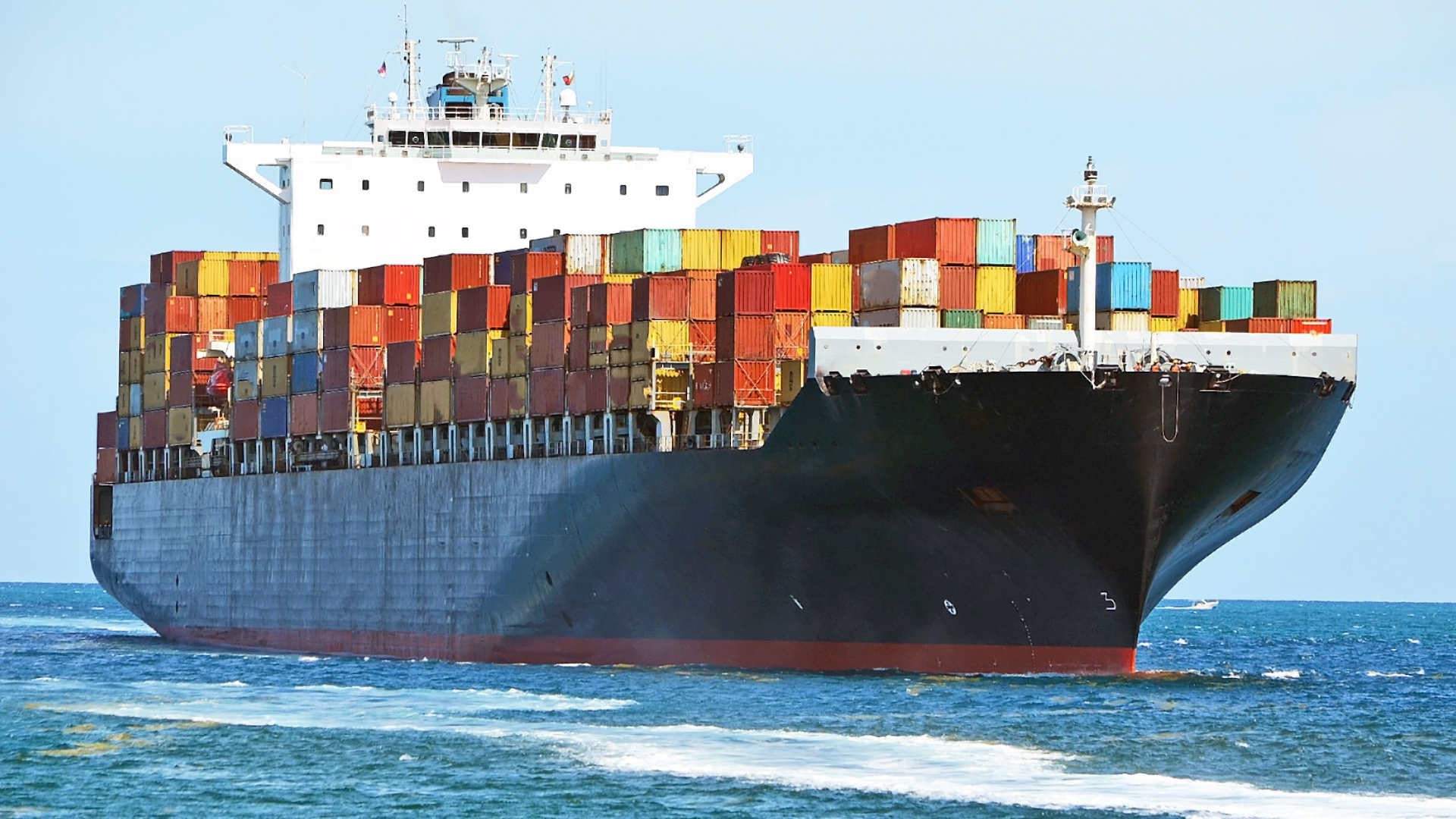

In periods of market unpredictability, container shipping companies adopt a range of cost-cutting strategies to maintain operational stability.
Recent statements from Maersk illustrate the specific measures carriers employ when facing challenging conditions.
The Danish liner, as outlined in its interim report, expects a downturn in the container market.
Maersk refers to a risk of overcapacity given the current large orderbook of vessels, which fuels uncertainty.
ShippingWatch cites the carrier's CEO Vincent Clerc as saying that "in shipping there will always be a downturn at some point."
“We know that more ships are coming, and at some point, those more ships will outpace all the growth in the market because they are coming fairly quickly,” says Clerc.
What measures could carriers take?
In response, Maersk has established four primary levers to manage costs.
These include temporarily removing vessels from service, returning chartered ships to their owners, scrapping older ships, and reducing vessel speeds, a practice known as slow steaming.
Each action is designed to lower operating expenses and adjust capacity as needed.
We’re trying to stay in shape
Maersk CEO
Alongside fleet management, Maersk continuously reviews internal processes to identify further savings.
While immediate workforce reductions are not expected, the company acknowledges that increased use of artificial intelligence in logistics could reduce the need for manual roles over time.
“And that’s why fewer people will be needed to run the same business,” said the CEO.
Hapag-Lloyd's measures in 2024
Last year, when the Red Crisis showed no sign of early relief, Hapag-Lloyd also announced cost-reduction plans in response.
At the time, the company experienced a substantial decline in net profit, prompting urgent operational reviews.
Announced measures included modifying sailing schedules, adjusting port calls, and seeking operational efficiencies.
Hapag-Lloyd had also established land corridors to maintain service continuity when traditional routes were disrupted.
Cost-cutting tactics depend on trade conditions
In a recent report, market analysis firm Xeneta mentioned that carriers could employ dynamic and seasonal tactics, depending on prevailing trade conditions.
Liners may alternate between expanding capacity aggressively and adopting stricter management.
These tactics are expected to evolve further in 2026, as carriers continue to balance the challenges of overcapacity with the pursuit of market share goals.