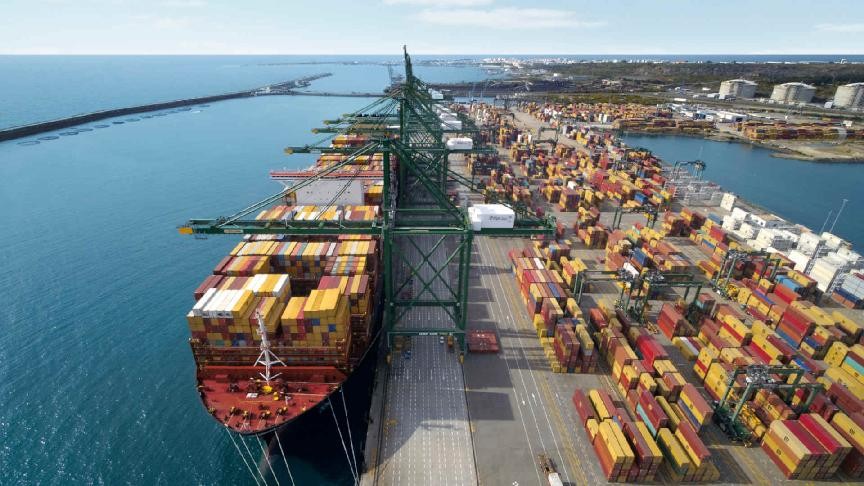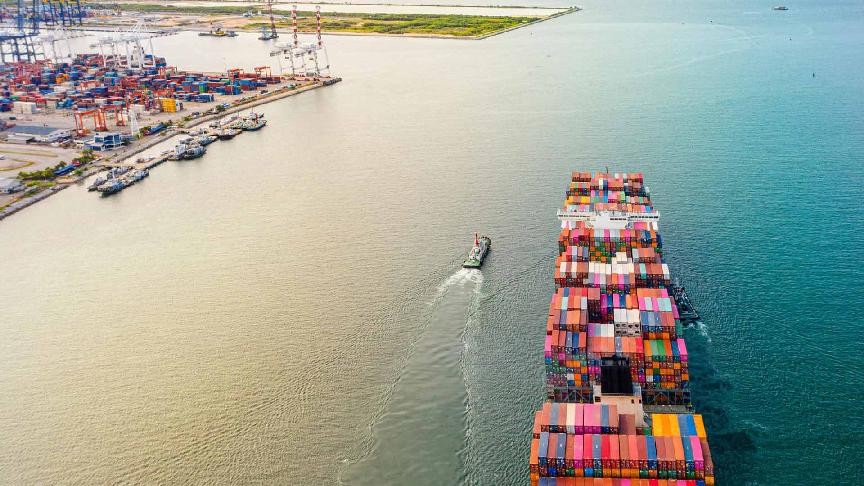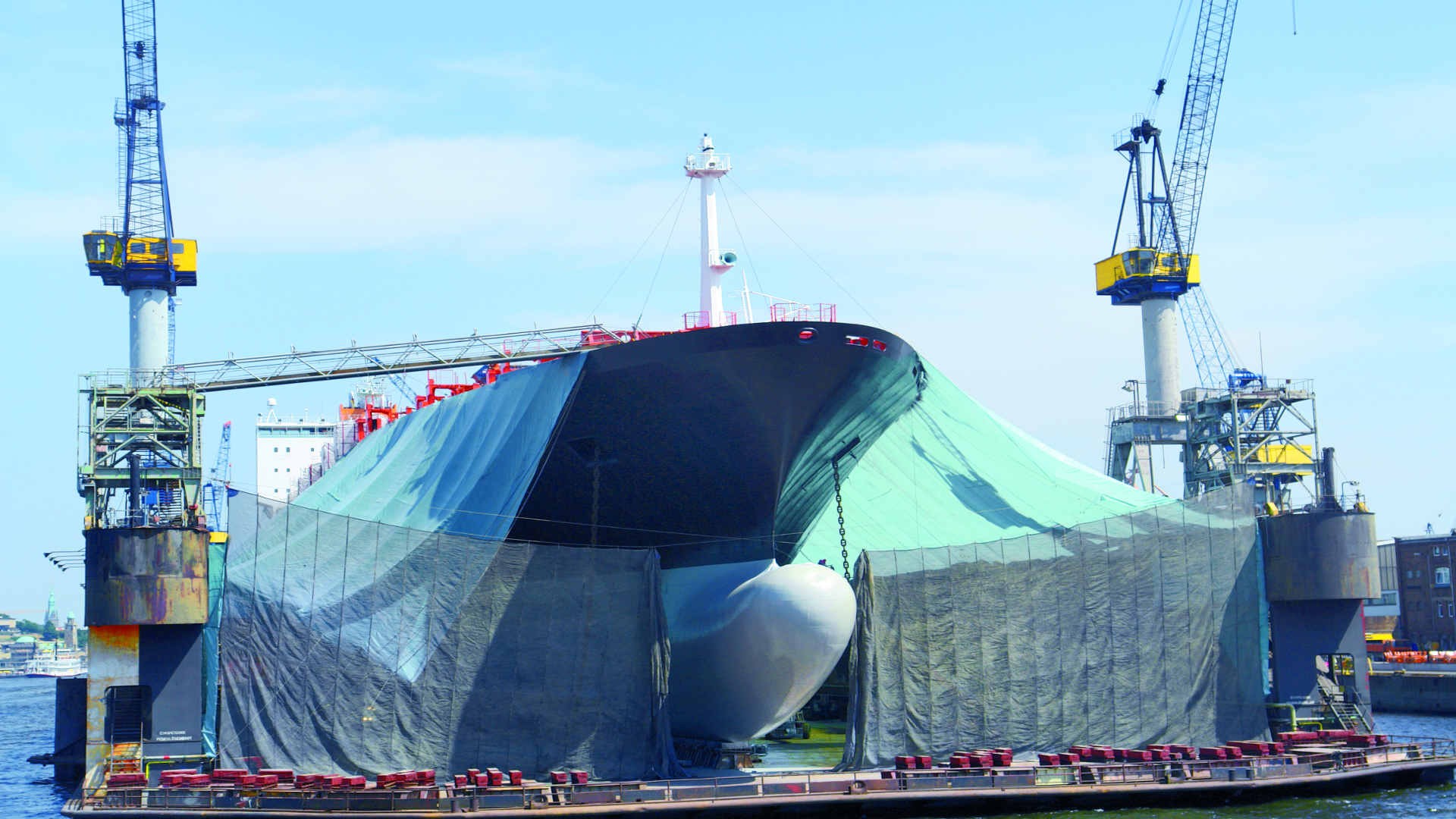

China’s shipbuilding sector remains the world leader, capturing the majority of new orders in 2025, particularly in the containership segment.
Delivery slots for large vessels at Chinese yards now extend into 2029, reflecting robust demand and limited expansion opportunities for competitors in South Korea and Japan.
According to a Lloyd's List report, competitive pricing and improved quality have reinforced China’s position, with most owners now viewing Chinese shipyards as providers of acceptable quality products.
Shipbrokers' data indicates that, as of late November, Chinese yards account for 68% of the global orderbook by vessel count, including 70% of bulk carriers, 68% of tankers, and 80% of containerships. Over 90% of large vehicle carriers on order are also attributed to China.
Despite this dominance, industry leaders in China have signalled the need to shift from a volume-driven approach to one focused on openness, supply chain collaboration, and technological advancement.
Li Yanqing, secretary-general of the China Association of the National Shipbuilding Industry, emphasised the importance of protecting intellectual property, strengthening smart and green technology, and enhancing resilience.
Elsewhere in Asia, South Korean and Japanese shipbuilders are expanding their presence abroad, with notable investments in the Philippines, Vietnam, and India.
In July 2025, HD Korea Shipbuilding & Offshore Engineering formalised cooperation with Cochin Shipyard, India’s largest state-owned builder. India aims to become a top-five global shipbuilding nation within two decades, supported by initiatives such as the Maritime Development Fund and an $8bn support package.
Japan, meanwhile, has outlined a roadmap to revitalise its shipbuilding industry, targeting consolidation into one to three major groups by the mid-2030s. The Ministry of Land, Infrastructure, Transport and Tourism’s plan seeks to double capacity to 18 million gross tonnes by 2035, reduce construction costs by 10%, and improve productivity by 25%.
The strategy includes phased automation, facility expansion, and the adoption of AI and robotics. Recent consolidation efforts include Imabari Shipbuilding’s increased stake in Japan Marine United.
Japan is also prioritising zero-emission ship development and has signed a memorandum of cooperation with the United States to collaborate on technology and workforce training.
Similarly, South Korean shipbuilders strengthened their global position in 2025, reclaiming a 21% share of newbuilding orders despite an overall market decline.
Orders rose to 11.6m cgt from 10.9m cgt the previous year, driven by steady demand for high-value vessels and strategic alignment with yard capacity.
While China’s lead is expected to persist through 2026 and beyond, the foundations for a more diversified global shipbuilding landscape are being established, with Southeast Asian and Indian yards poised to play a greater role later in the decade.