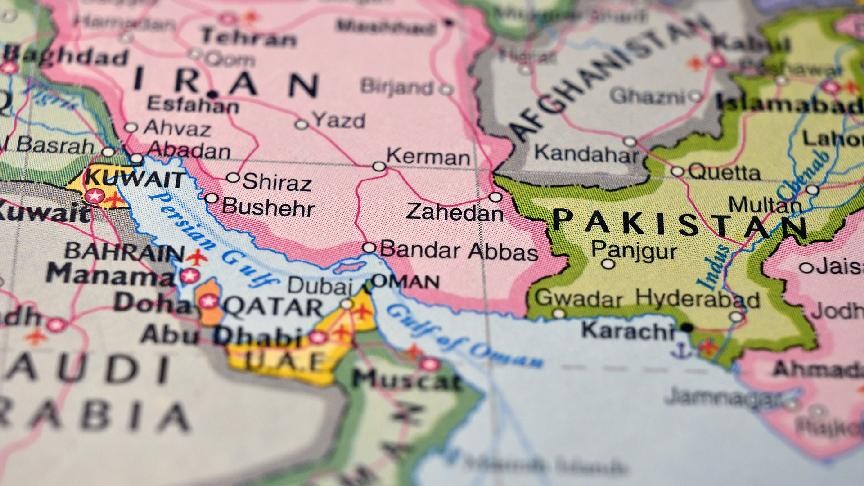

The crisis in the Strait of Hormuz is exposing a reality few in shipping have been trained to face: for the crews still operating in the region, the threat is no longer limited to delays, diversions or political uncertainty, but to the possibility that an ordinary voyage can turn into a life-or-death situation within minutes.
Missile threats, drone activity and sustained psychological pressure have pushed seafarers into conditions far beyond the boundaries of conventional maritime risk.
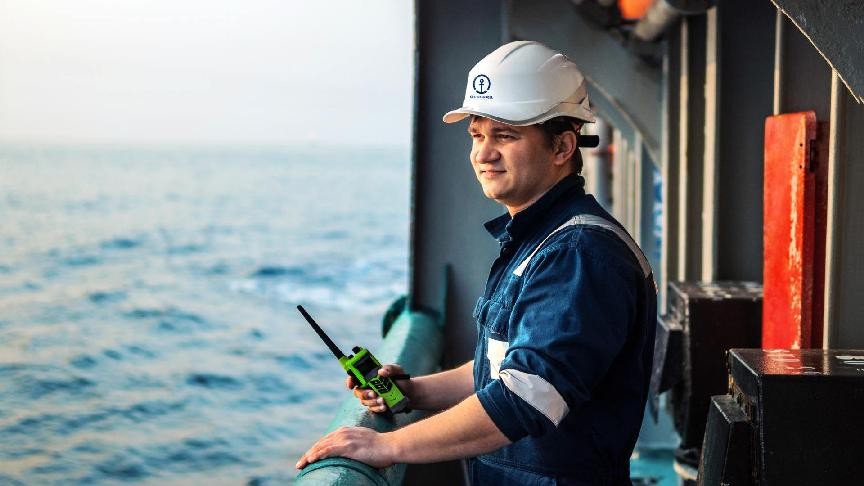
At the centre of that story is Captain Mohit Kohli, whose first-hand account was published by Splash 24/7. In that account, he described the situation in unusually stark terms.
Mariners, he said, are trained for storms, machinery failures, accidents and piracy, but not for the sudden transformation of a major trade route into a battlefield.
His account underscores the scale of the challenge now facing masters in the Gulf: they are being asked to manage scenarios that, by his own assessment, were never part of their professional education.
Kohli said the pressure on board extends far beyond external security threats. From the bridge, every radar contact can become a source of suspicion, while reports of nearby missile activity and the spread of fake or AI-generated content can quickly amplify fear among already strained crews.
In such an environment, the captain’s role shifts from operational command alone to crisis leadership: maintaining discipline, filtering fact from rumour and keeping the crew focused while decisions are made with limited certainty and, at times, limited practical support from shore.
The Persian Gulf crisis taught me that a master’s duty extends far beyond navigation. It is about guiding people through the unknown, even when the threats are ones we were never trained to face.
That testimony aligns with a broader humanitarian emergency unfolding across the region. The United Nations reported that around 20,000 seafarers have been stranded on ships in the Persian Gulf, while the IMO (International Maritime Organization) said attacks on commercial shipping have resulted in seafarer fatalities and severe psychological stress for crews still on board.
Ship managers and operators have introduced emergency support measures, but these have largely been reactive responses to a crisis that has outpaced existing preparedness frameworks.
The result is a growing gap between legal principle and operational reality.
While passage through Hormuz has long been treated as a matter of global trade necessity, recent events have shown how quickly that assumption can break down when conflict escalates.
For shipowners, charterers and insurers, the implications are immediate. For crews, the consequences are personal, prolonged and deeply destabilising.
What emerges from Kohli’s account is not only a warning about the Strait of Hormuz, but a wider challenge for the industry.
Shipping has long relied on training built around technical failure, weather exposure and regulatory compliance. The current crisis suggests that may no longer be enough.
If conflict-related disruption becomes a recurring operational risk, the industry will have to decide whether crew welfare, crisis leadership, and conflict-zone preparedness remain peripheral concerns or become core parts of professional training.