
At 03:12 AM, Eleni woke up suddenly. The room was silent except for the pale glow of her phone on the nightstand: 47 unread emails. Asia was already awake. Europe was about to begin.
Then she saw the headline: “GIBRALTAR CLOSED TO COMMERCIAL TRAFFIC.”
Within minutes, she was online, joining the emergency call. Faces appeared in cold blue light from Singapore, Hamburg, Genoa, and New York. Nobody smiled anymore in global logistics.
“Can somebody confirm?” she asked quietly. A voice from London answered: “It’s confirmed. Suez inaccessible. Gibraltar is suspended indefinitely. No commercial transit.” Silence.
Then another voice: “So the Mediterranean is effectively isolated?” “Yes.”
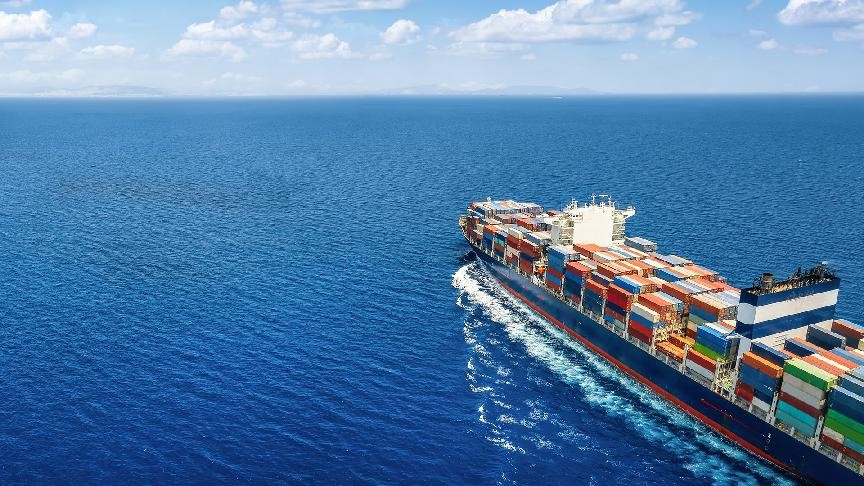
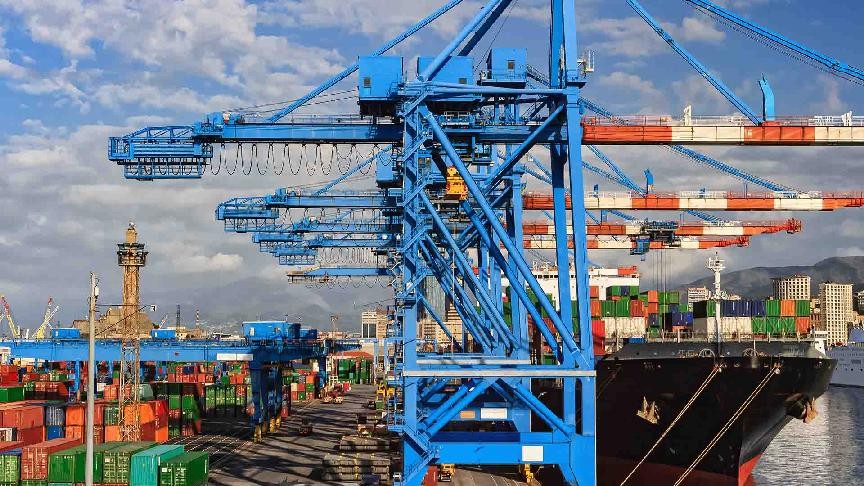
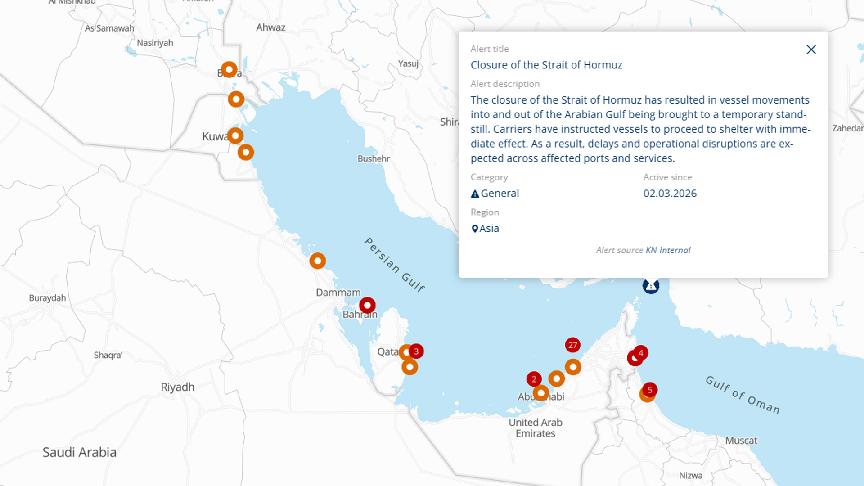
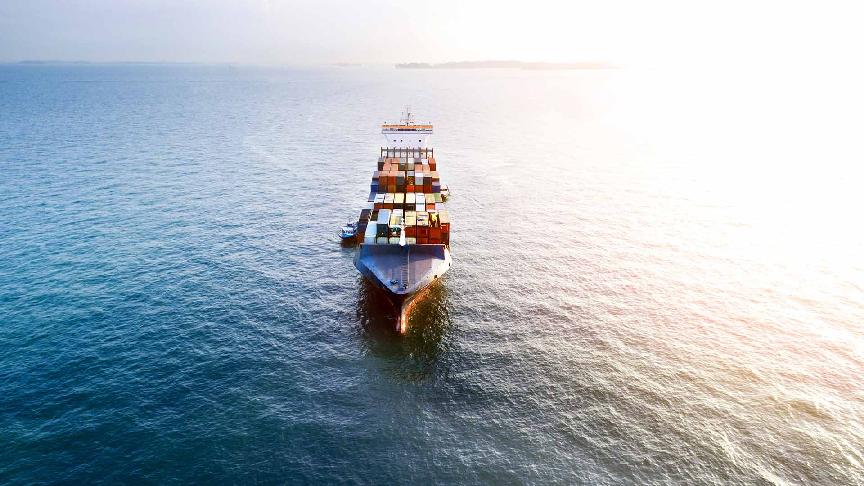
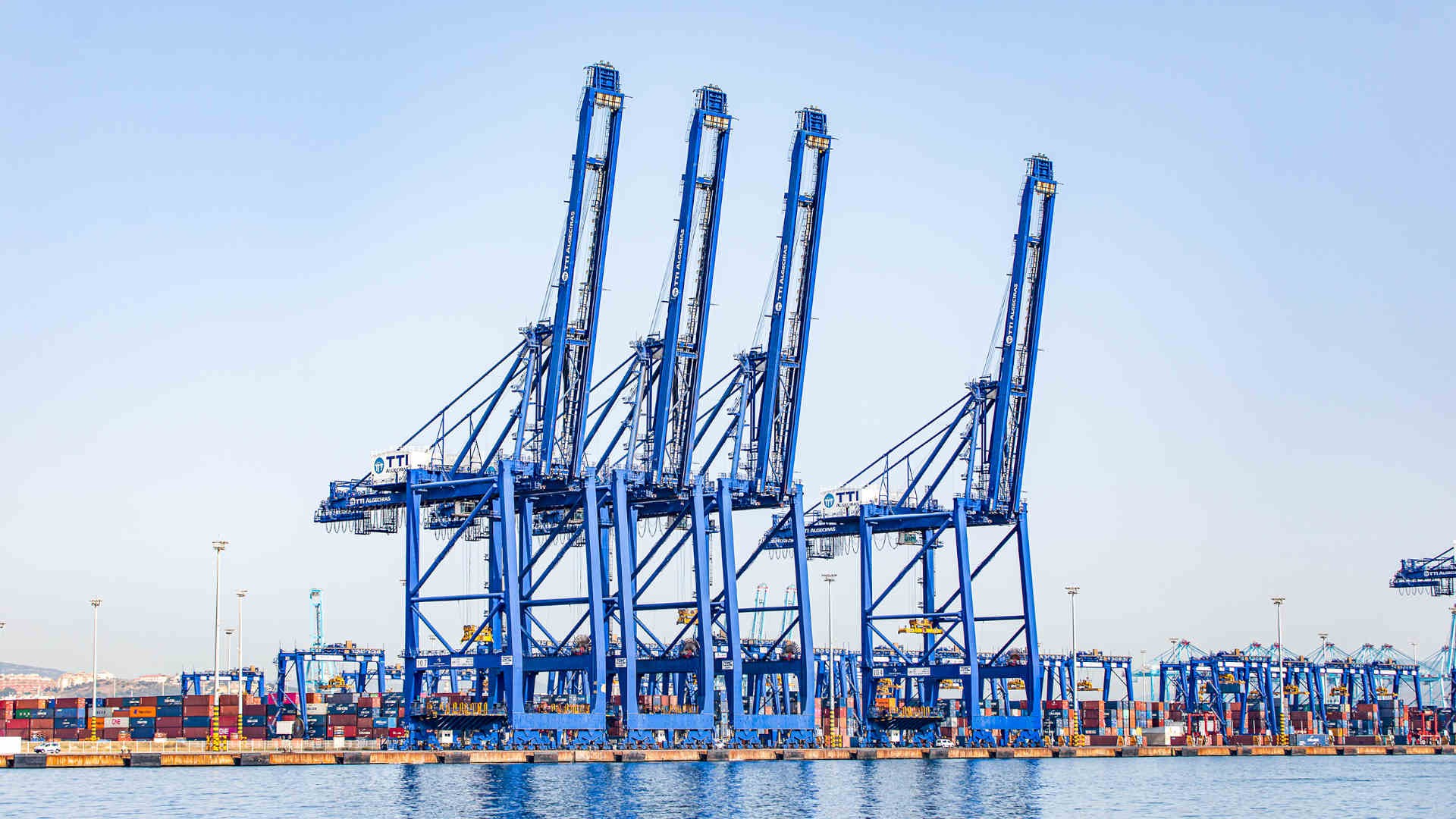
The maps looked unreal: vessels stacking outside chokepoints, container ships swinging around the Cape, Mediterranean ports turning into inland lakes lined with silent cranes.
“What about rail?” someone asked. “Unavailable.” “Air freight?” A tired laugh. “Unless you’re shipping microchips, vaccines, or gold bars.”
The conversation darkened by the hour: German automotive plants preparing shutdowns, chemicals delayed, refrigerated cargo decaying onboard, export containers trapped in overflowing terminals.
Europe was rediscovering an uncomfortable truth: modern civilisation still depends on a handful of narrow waterways.
And still, the system tried to behave normally. A customer demanded lower freight rates. A procurement team wanted a tender extension. Someone asked for an updated sustainability questionnaire.
By dawn, Eleni stared at the AIS screen. Supply chains, optimised for efficiency and stripped of redundancy, were colliding with the one variable no algorithm can negotiate with: geography.
Then she opened her eyes. Dark room. Quiet apartment. Early light.
Her phone buzzed because of a carrier update: “Minor delays expected due to congestion.” Gibraltar was still open. But she knew why the dream had felt so real.
That dream feels real because global shipping has become far more fragile. Wars, sanctions, cyber risks, chokepoint disruptions, and shifting alliances have turned every voyage into a calculation of risk, cost, timing, and political consequence. Disruption is no longer the exception. It is the baseline.
The question is no longer whether the map will change, but how prepared we are when it does - and how quickly we can adapt when familiar routes disappear.