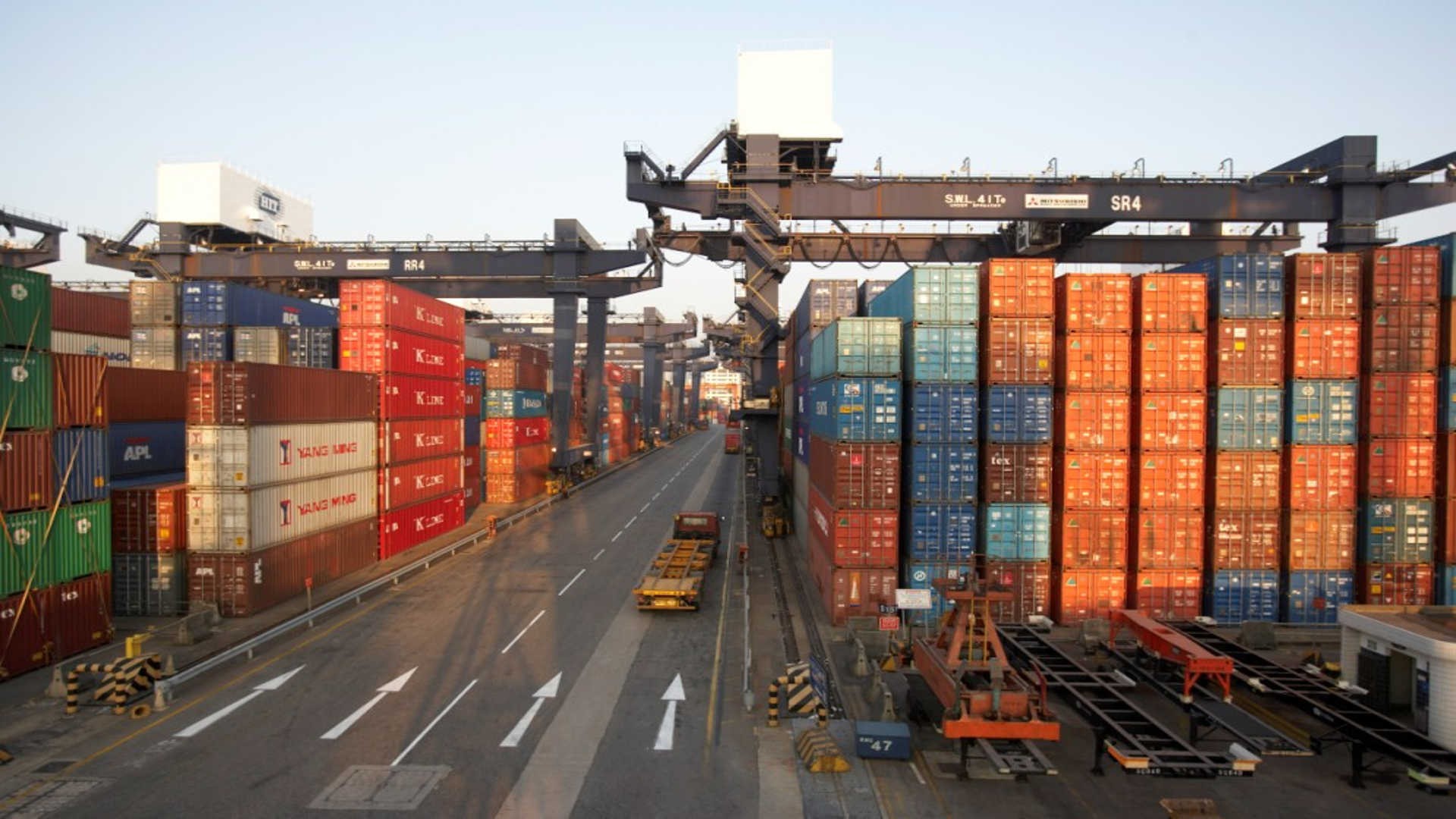
GLOBAL trade is proving more resilient than many expected in 2026, but shipping faces a more complex operating environment as energy-price volatility, geopolitical fragmentation and changing trade flows redraw the map of maritime commerce, according to UNCTAD’s latest Trade and Development Report.
The UN agency expects global economic growth to slow to 2.6% this year from 2.9% in 2025, while world trade in goods and services is still forecast to expand by about 4% after reaching a record $35trn last year. However, much of that increase is being driven by higher prices rather than stronger trade volumes, reflecting the fallout from conflicts in the Middle East and Ukraine.
For shipping markets, the report highlights the continuing impact of disruptions to the Strait of Hormuz, which sent Brent crude prices from about $70 per barrel to more than $110 per barrel, and triggered the largest monthly loss of global energy supply on record. Cargo flows have adapted, but at a cost.
UNCTAD said restrictions on Hormuz transits, vessel rerouting and congestion have reduced effective fleet capacity while raising fuel, insurance and operating costs. The organisation estimates traffic through the strait fell by around 95% in the early stages of the conflict and remained severely constrained through August.
“Trade has proven more resilient than expected, but growth teeters on a narrow base,” the report said, noting that AI-related hardware, data-centre equipment and advanced computing infrastructure have become the dominant drivers of merchandise trade growth.
UNCTAD expects world merchandise trade to expand by 4.5%-5% in real terms this year, broadly matching 2025 levels. Yet headline growth masks weaker underlying cargo demand, with higher energy and technology prices accounting for much of the rise in trade values.
The report also points to a significant reconfiguration of trade flows with direct implications for shipping networks. Trade between China and the US has fallen by more than 20% since 2024, while East Asian economies have increased trade with both China and North America. Rather than a retreat from globalisation, UNCTAD sees trade being reorganised around strategic partnerships, regional production systems and intermediary hubs.
For shipowners, the outlook is mixed. Goods trade remains surprisingly robust, but UNCTAD forecasts transport services will be the weakest-performing major services category in 2026. A combination of trade policy uncertainty, geopolitical disruption and volatile freight markets is expected to weigh on shipping demand, even as longer voyages and diversions continue to absorb capacity.
Pedro Manuel Moreno, UNCTAD’s acting secretary-general, said the world economy was entering “a more strategic era”, with countries increasingly using trade, finance and technology policy to pursue economic and national security goals. For shipping, that shift is likely to mean a future defined less by pure efficiency and more by resilience, security and supply chain diversification.
UNCTAD warns energy shocks and fragmented trade are reshaping shipping’s future despite resilient car...
Global trade is forecast to grow 4% in 2026, despite world economic growth slowing to 2.6%

Updated
|
Source: Lloyd's List

Related articles
Sea newsContainership owners warn of overcapacity as orderbook hits post-2009 high
Company newsKuehne+Nagel significantly improves profitability in third quarter of 2026
Sea newsPort delays remove 3m teu of containership capacity
Sea newsBlank sailings settle at higher baseline in 1H26

Sea newsCrushing by cargo biggest cause of dockworker deaths

Sea newsContainer fires remain one of the most significant hazards for boxships as incidents mount