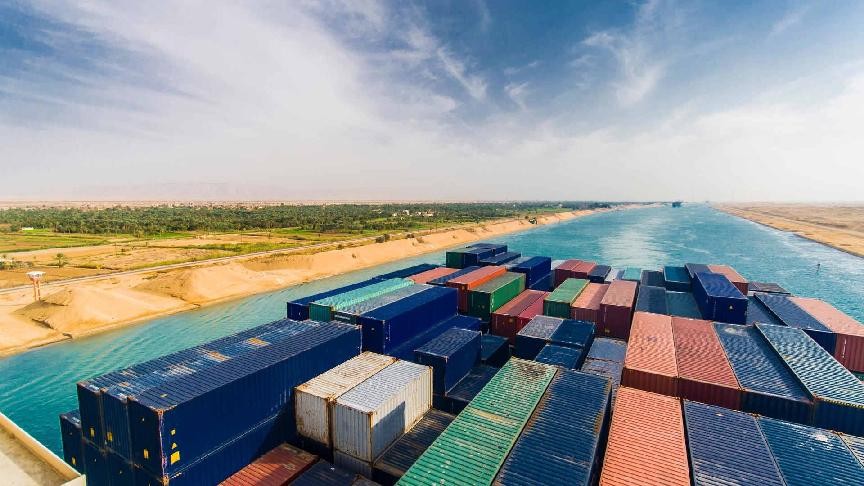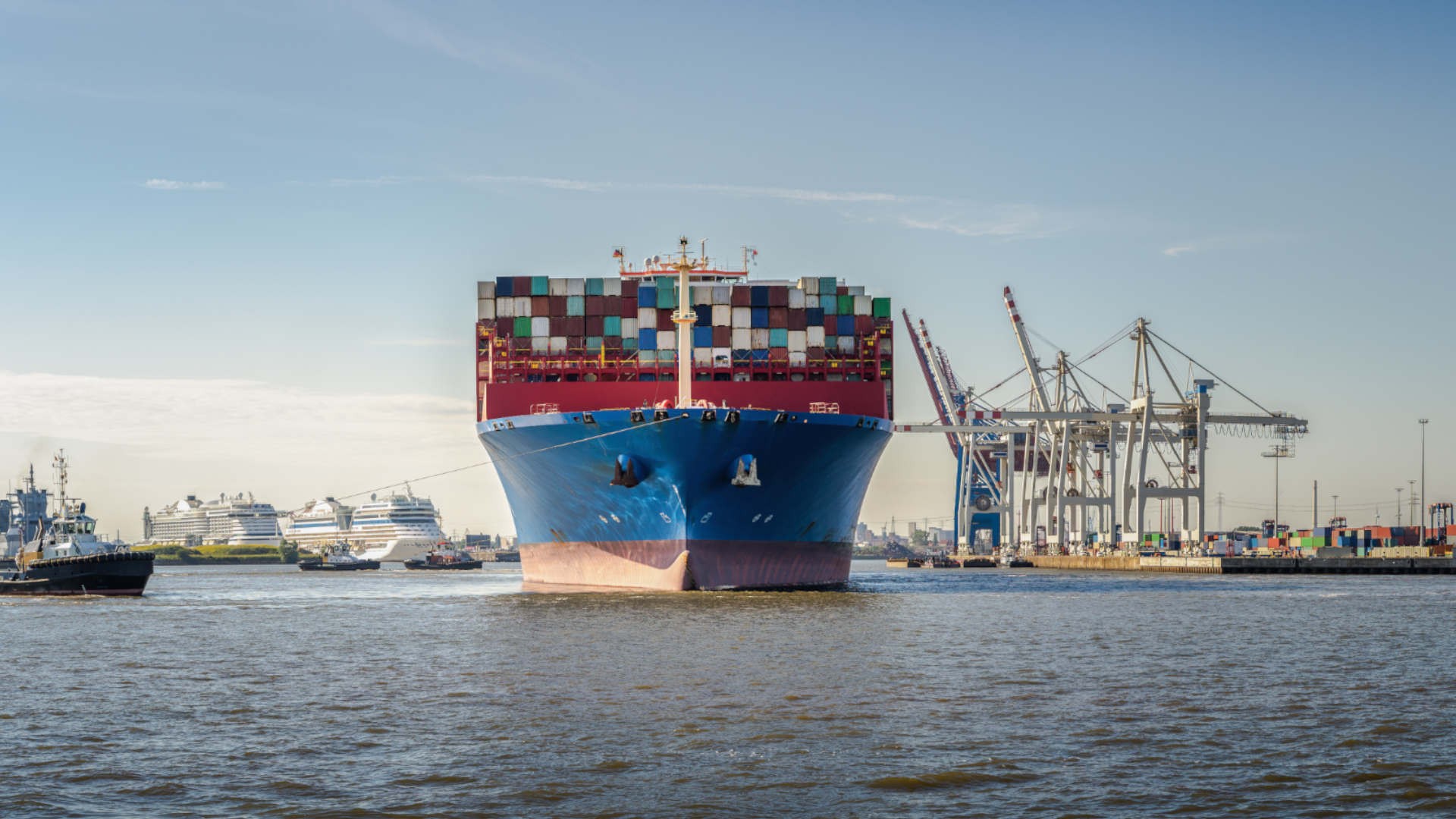

Global container services are continuing to shift back to the Suez route, with Linerlytica reporting that more than half of the Cape diversions it tracks have already returned.
The number of containerships diverted around the Cape has fallen to 180, says Linerlytica, which is the lowest level since January 2024 and down from an average of 350 over the past two years.
Of the services monitored by the firm, 30 of 52 westbound and 32 of 57 eastbound services have resumed Suez routings. A further two services in each direction are scheduled to return in November.
The transition is raising concerns at Rotterdam and Antwerp-Bruges.
According to the Journal of Commerce, improved carrier schedule reliability will be important in avoiding a surge in arrivals as services using Suez begin to overlap with vessels still sailing around southern Africa.
Lennart Verstappen, spokesperson for Port of Antwerp-Bruges, said large calls by vessels arriving from Asia already place pressure on terminals and hinterland networks, with disruption increasing when ships miss their scheduled berthing windows.
“Congestion is never far away,” Verstappen told the Journal of Commerce. He added that greater schedule reliability following a return to Suez would allow terminal operators to plan more effectively.
Bimco confirmed that Suez transits have recovered to more than half the level recorded before attacks on commercial shipping in the Bab el-Mandab Strait began in November 2023.
Its chief shipping analyst, Niels Rasmussen, said the share of global shipping capacity diverted around the Cape of Good Hope was declining rapidly.
Citing Clarksons Research, Rasmussen said weekly container ship capacity passing through the Suez Canal averaged 753,000 TEUs in the first two weeks of October, compared with 1.4 million TEUs during the corresponding period in 2023.
He also cautioned that congestion in Asia means the full supply-demand effect of the return to Suez has yet to emerge.
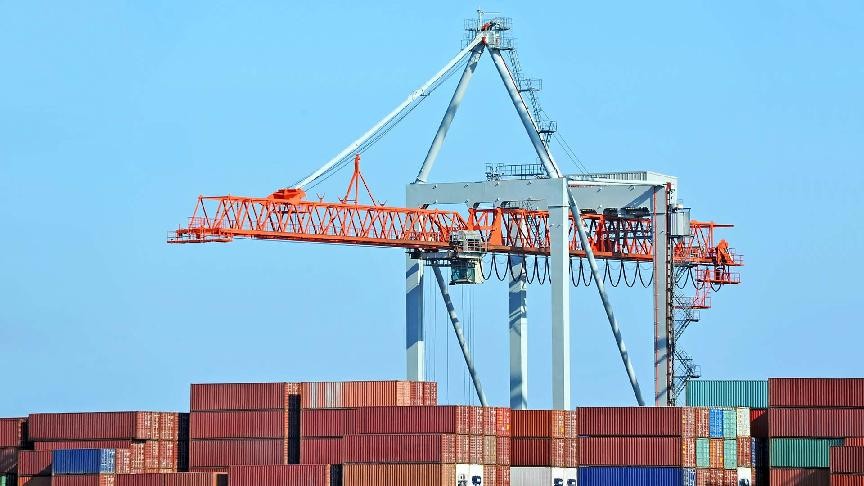
Europe’s largest ports could face increased congestion as more ocean services return to the Suez Canal route.
During the transition, vessels using the shorter Suez route may arrive alongside ships still sailing around southern Africa, potentially creating arrival surges and additional pressure on terminals and inland transport network.
Large container vessels arriving from Asia already generate substantial cargo volumes during individual calls, while ships arriving outside their scheduled berthing windows can make cargo movements more difficult to manage.
Greater schedule reliability and a gradual transition could therefore help port operators prepare more effectively for fluctuations in vessel arrivals.
This potential pressure comes as schedule reliability on the Asia–North Europe route has already weakened considerably during 2026.
On-time performance fell from 58.7% in May to 45.6% in June before declining further to 35.4% in September.
At the same time, delays among late-arriving vessels became longer. The average increased from 3.5 days in June to 4.8 days in August, before easing slightly to 4.5 days in September.
For data on the global on-time performance of container vessels in September 2026, check our latest seaexplorer schedule reliability report.