
The dispute over Panama’s cancellation of CK Hutchison’s port concessions continues to escalate, prompting multi‑billion‑dollar arbitration, geopolitical friction and mounting pressure on two of the world’s largest shipping lines.
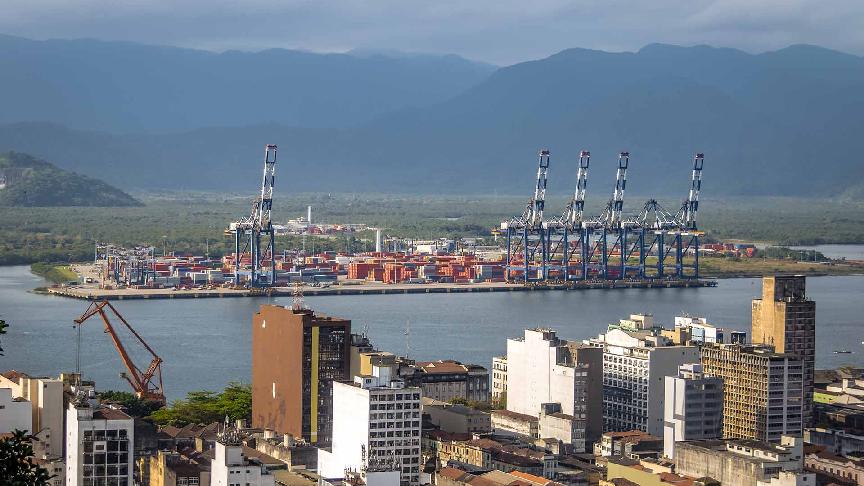
Panama Ports Company (PPC), majority‑owned by CK Hutchison, has filed an international arbitration claim seeking more than $2 billion in damages after Panama cancelled its 28‑year concessions for the Balboa and Cristóbal terminals. The government took control on February 23, following a Supreme Court ruling that voided the agreements.
PPC is also pursuing legal action to recover equipment and documents removed during the takeover.
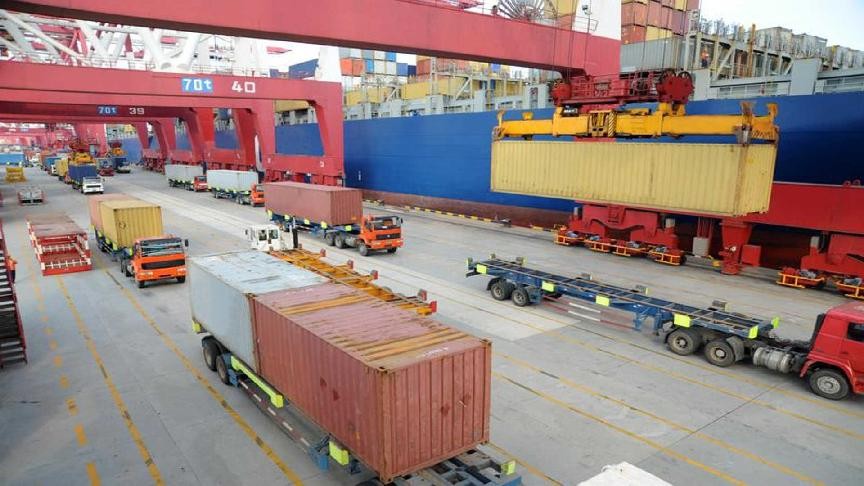
The Panama Maritime Authority has appointed APM Terminals (Maersk) to run Balboa and TiL (MSC) to manage Cristóbal under 18‑month temporary contracts. Authorities report that operations are stabilizing, with digital systems being tested and exports, empties and rolling stock being accepted again.
More than 500 former PPC employees have already been replaced, and two of four unions have signed new agreements.
Beijing summons Maersk and MSC
In a significant escalation, China’s Ministry of Transport has summoned executives from Maersk and MSC, a move industry observers directly link to their role in the Panama takeover. Beijing is seen as preparing potential retaliatory measures, viewing the carriers’ involvement as enabling the removal of a Hutchison‑affiliated operator.
China has warned Panama of political and economic consequences if the decision is not reversed.
The dispute comes as MSC and BlackRock continue negotiations to acquire CK Hutchison’s $23 billion global ports portfolio, with COSCO potentially joining. Reports indicate the Panama assets may be carved out to allow the rest of the deal to proceed.
Both carriers have substantial operational ties in China—including major terminal stakes—which may influence the scope of any Chinese response.
Despite heightened geopolitical tension, experts do not anticipate significant operational disruption. The terminals fit well into Maersk and MSC’s established regional networks, and both operators maintain extensive partnerships with Chinese companies, making cargo discrimination unlikely.
As Jayendu Krishna, head of Drewry Maritime Advisors, noted: “These two terminals are already in a stabilisation phase, so I do not expect any significant impact on port operations or the global shipping network.”