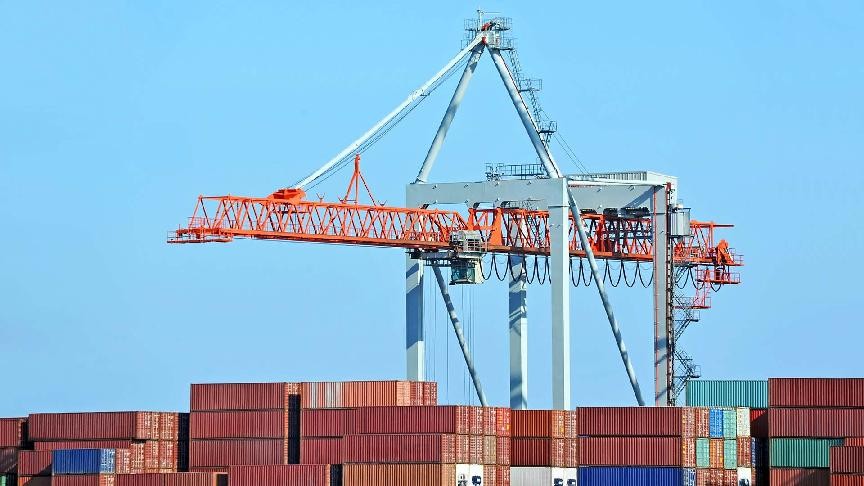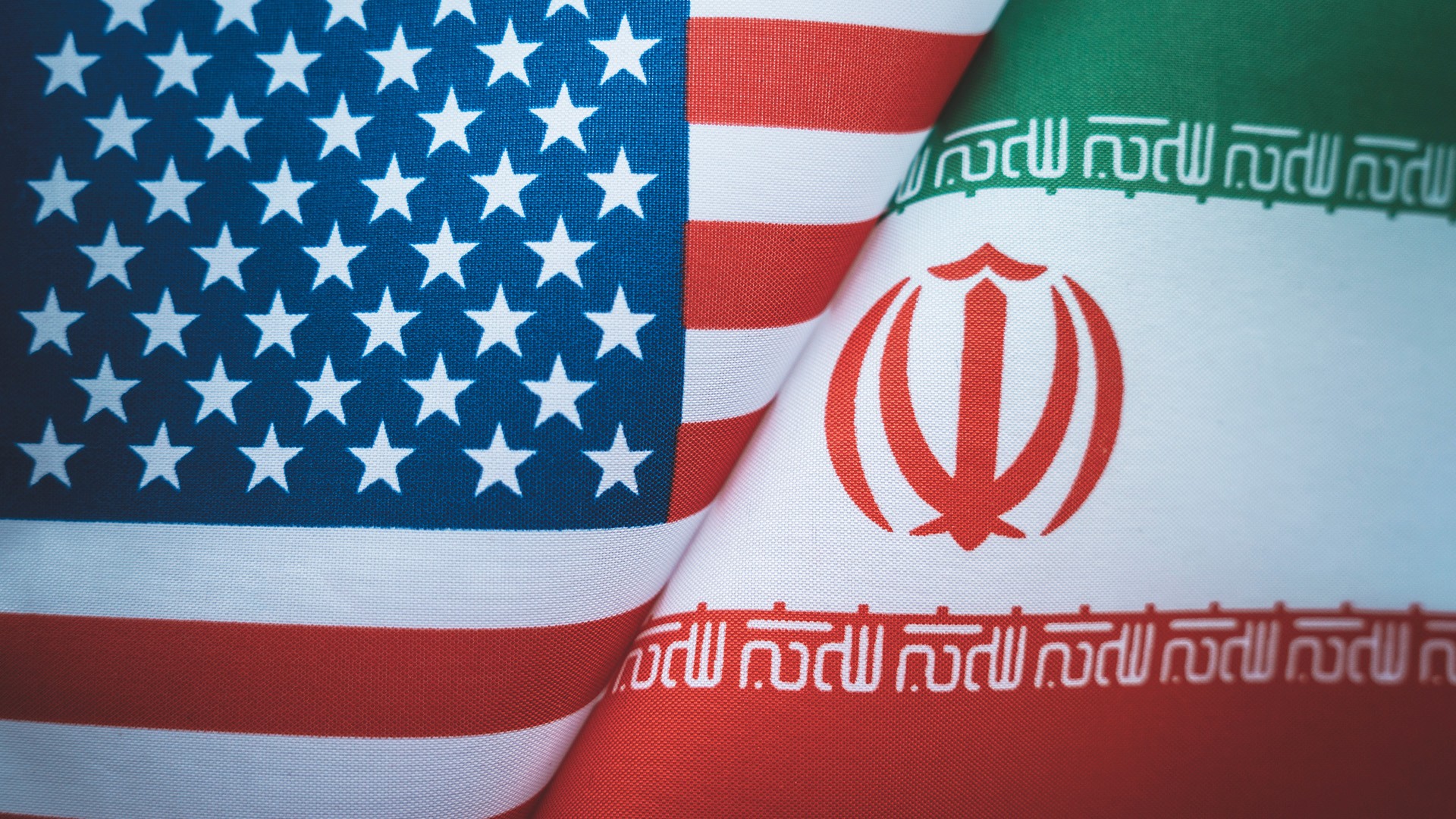

IRAN has warned the US that any strike against it would make US and Israeli “shipping centres” legitimate targets.
The threat was made by Iran’s parliament speaker Mohammad Baqer Qalibaf after President Trump said the US would strike the Islamic Republic if protesters were killed.
US media outlets have reported that Trump was briefed on military strike options over the weekend, as protests in Iran continued for a third week.
It’s unclear what “shipping centres” means in this context. Risk intelligence senior analyst Dirk Siebels described the threat as “murky”, but said it may pertain to regions as well as specific ports.
The card Iran has threatened to play when tensions have risen in the past has been to close the Strait of Hormuz. Nearly a fifth of the world’s oil supply passes through the incredibly narrow chokepoint every day, making it vital not just to shipping, but to the global economy as a whole.
Closing the Strait has been touted as a potential option for the Iranian regime many times, and while Siebels admitted that Iran has the capacity to attack ships in the Middle East Gulf and Strait of Hormuz, he has his doubts over whether this would ever be a realistic option for Tehran.
An effective closure of the Strait of Hormuz would “go against their own interests and certainly against those of China, which happens to be the largest buyer of Iranian crude exports”, he told Lloyd’s List.
The only change to that would be if the regime felt the threat was existential.
That view was shared by BIMCO chief safety and security officer Jakob Larsen, who said Iranian forces were more likely to be preoccupied with managing domestic unrest than projecting power abroad.
But on the other hand, he said, actions by actors such as the Iranian Revolutionary Guard Corps Navy “may become desperate and less concerned with long-term consequences” if the situation continues to escalate.
“Our advice to shipowners is to continue monitoring developments closely and to factor into their security risk assessments that conditions could deteriorate with very little warning,” he said.