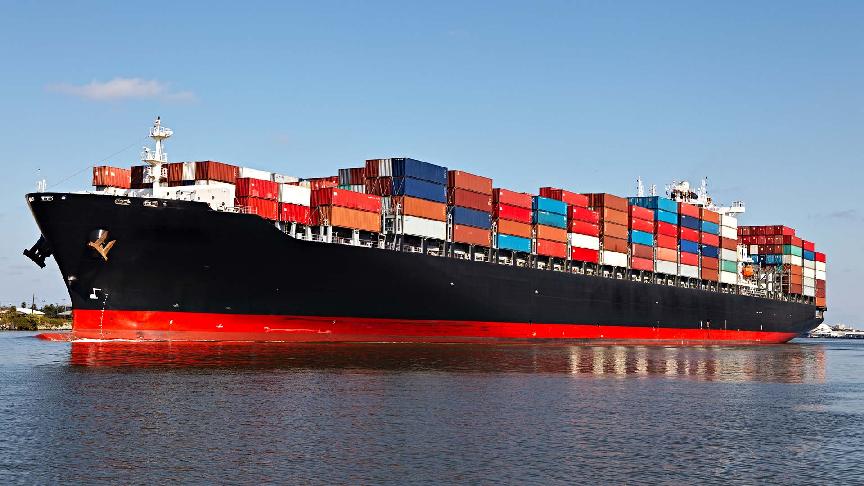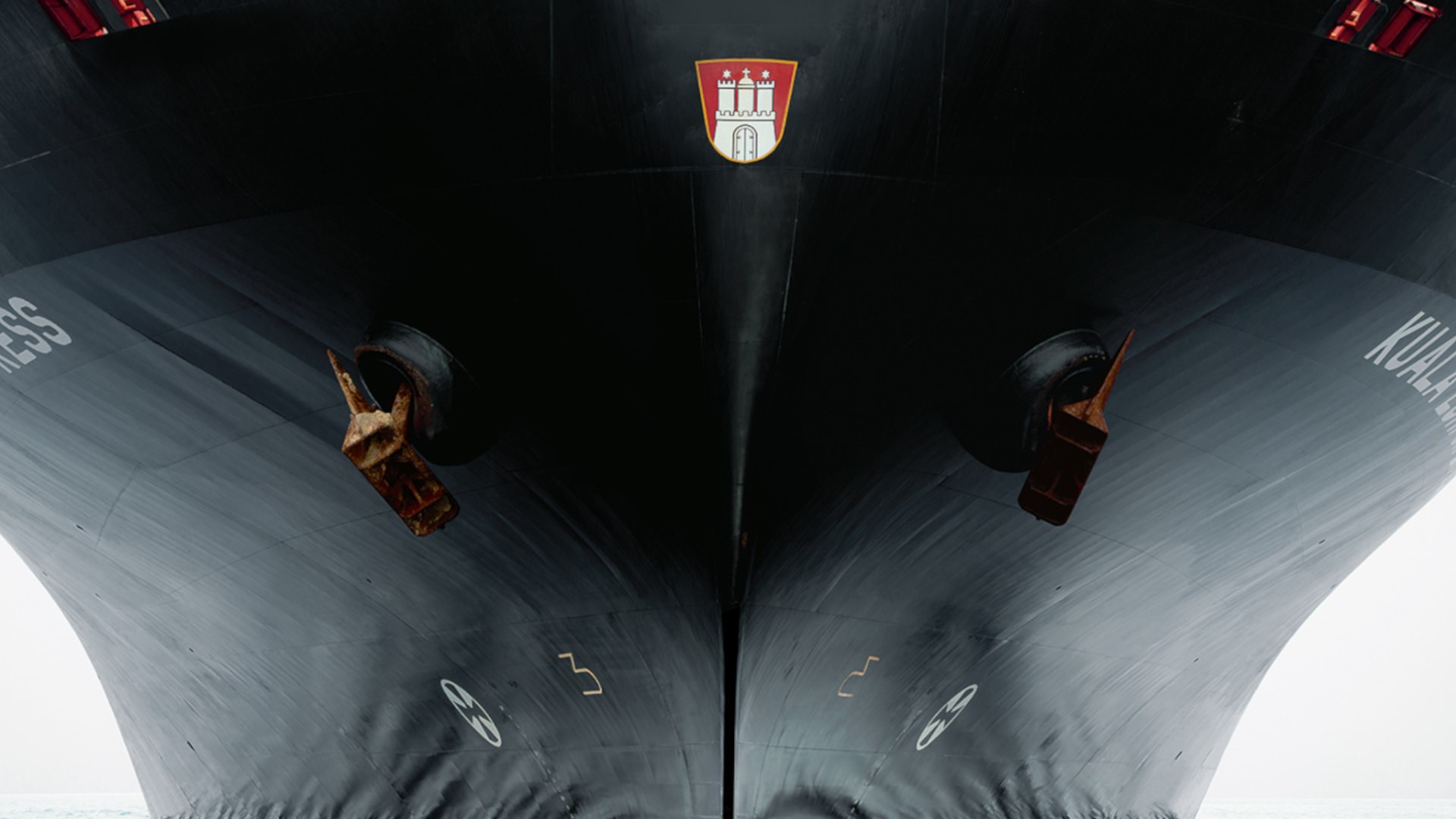

HAPAG-LLOYD has confirmed the signing of shipbuilding contracts with Chinese yard CIMC Raffles for the construction of eight dual-fuel boxships, marking a significant step in the carrier’s long-term decarbonisation and fleet modernisation strategy.
Of 4,500 teu capacities, they represent an investment of more than $500m and are slated for delivery in 2028 and 2029.
All eight ships will be capable of methanol-fuel operations and, according to Hapag-Lloyd, will be up to 30% more fuel-efficient than older tonnage of the same capacities. They represent the Hamburg-headquartered container lines’ first newbuilding programme centred on methanol propulsion.
The new order expands Hapag-Lloyd’s growing fleet of alternative-fuel vessels. The carrier currently operates or has on order 37 LNG dual-fuel boxships.
In 2024, the company confirmed it would embark on a retrofit programme to convert five chartered 10,100 teu containerships in a collaboration with their owner — tonnage provider Seaspan — to be able to operate on methanol fuel. They are due to be converted during regular drydocking next year and in 2027.
Alongside the eight ships ordered from CIMC Raffles, Hapag-Lloyd confirmed it will charter an additional 14 newbuildings across the 1,800 teu, 3,500 teu and 4,500 teu size classes for long-term periods, with deliveries scheduled between 2027 and 2029.
Hapag-Lloyd chief executive Rolf Habben Jansen emphasised that the investment aligned with the company’s Strategy 2030, which prioritises fleet renewal, decarbonisation and reduced reliance on the volatile charter market.
“Continuously modernising our fleet is firmly anchored in our Strategy 2030,” Habben Jansen said. “The new ships will help replace older tonnage, further decarbonise the Hapag-Lloyd fleet and reduce our dependence on the charter market. What’s more, operating these state-of-the-art ships will be much more cost-efficient.”
Hapag-Lloyd’s latest newbuilding programme was first mooted in November, when Habben Jansen confirmed plans to order up to 22 vessels.
The company’s last big newbuilding commitment was in November 2024, when it ordered 24 dual-fuel LNG-powered ships of 9,200 teu and 16,800 teu at two Chinese yards, with deliveries scheduled between 2027 and 2029.