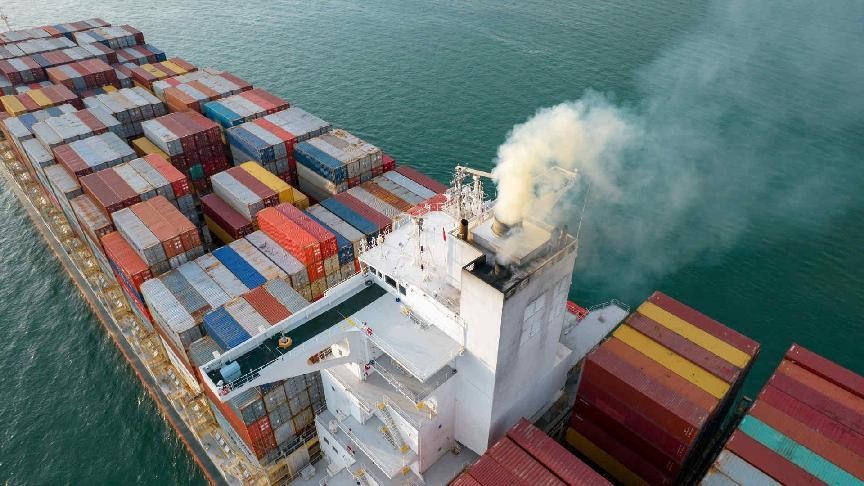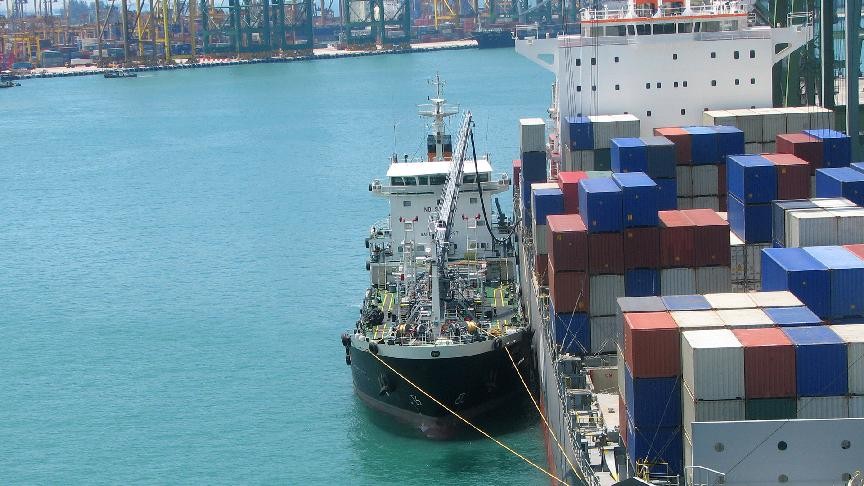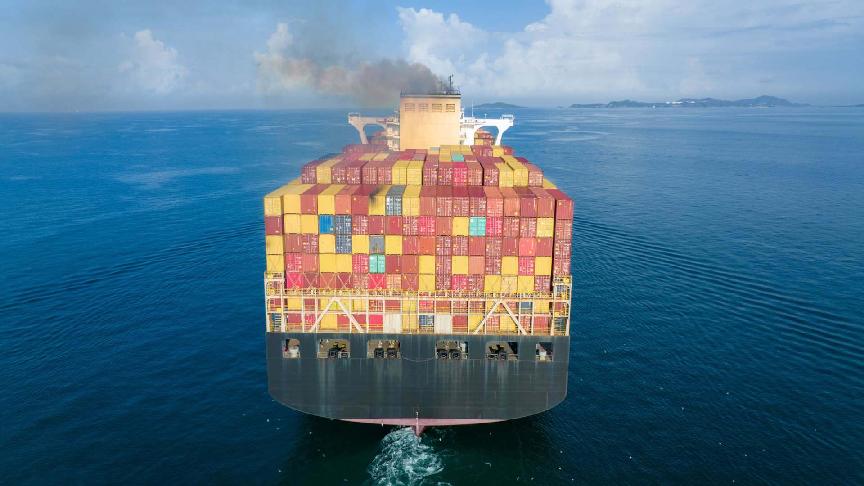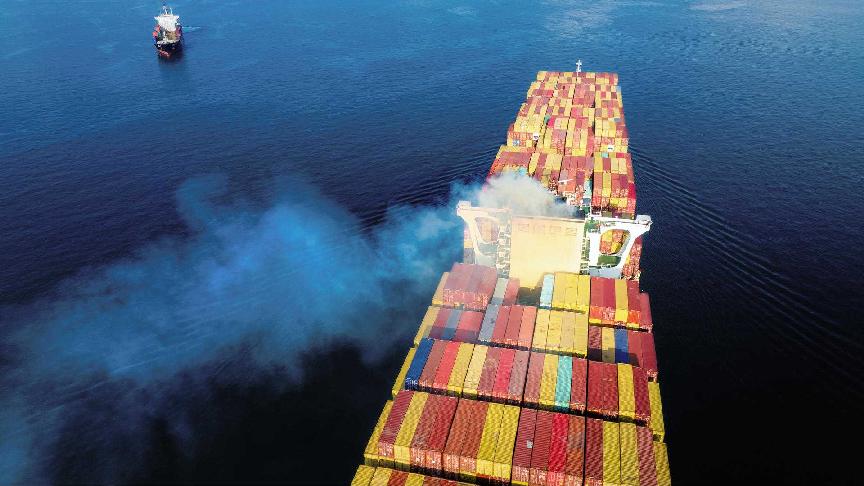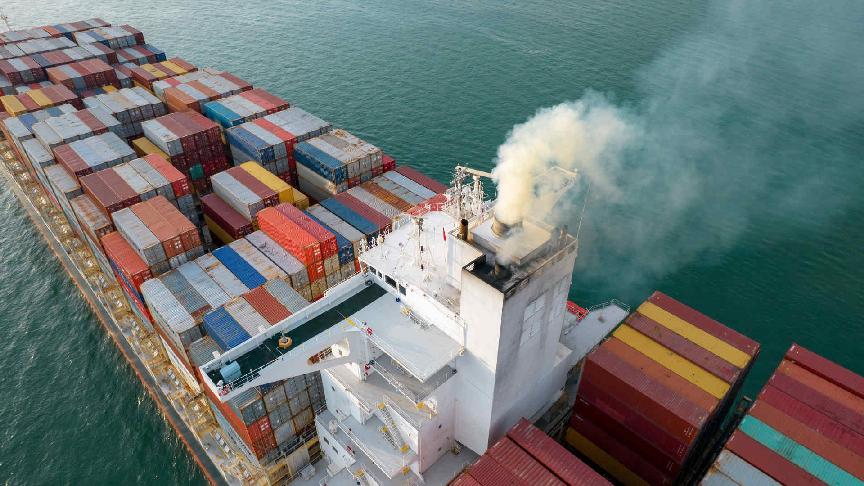

FUELEU Maritime’s compliance-pooling loophole has worked so well for shipowners that it risks undermining the regulation’s intended purpose, compliance advisers have warned.
Surplus compliance credits pouring into the market from ships using lower-carbon LNG has kept the price far too low to foster investment in renewable fuel production.
Spare surplus credits costed about €200 per tonne of CO2 equivalent throughout 2025, but have dropped lower in recent months, according to the Maersk Mc-Kinney Moller Center for Zero-Carbon Shipping.
The Center found more than 90% of ships met their obligations by pooling in the scheme’s first year, while 2% of ships used borrowing and 7% either switched fuels or chose to pay penalties.
But when the FuelEU green targets become stricter from 2030, and companies look for costlier biofuels and e-fuels to comply, they may struggle to find them.
“Where the market’s clearing now, it’s much harder to make a case to build an e-methanol plant, or any of these greener fuels,” said Anthony Salasidis, a former commodity derivatives broker and founder of Meridian Trade Advisory.
Redistributing compliance via pooling
Salasidis said the pooling mechanism had worked well at redistributing compliance in the first year of FuelEU. But the problem was “whether that then provides a bankable investment signal for the additional production capacity that’s going to be needed much later”.
If e-methanol costs $1,300 per tonne, FuelEU compliance would have to cost roughly twice what it does today. It would need to be four times higher after 2033, when a compliance multiplier for e-fuels is set to expire.
“The regulation becomes less favourable to e-fuels in 2034, at the point that more of them are needed,” Salasidis said.
E-fuels plants needed 10-15 year offtake agreements to be built, and FuelEU didn’t provide a compliance value that could underwrite such projects, Salasidis added.
Jonathan Michaut, the founder of AV Carbon which advises small- and mid-sized shipping companies on FuelEU compliance, told Lloyd’s List the problem was structural.
Michaut said the European Commission wanted shipping to switch fuels, not trade compliance credits, and it may have underestimated how active the pooling market would become.
He predicted a rush for biofuels from 2031, when the green fuel target increases from 2% to 6% and surplus dries up. By 2035 the pooling market would disappear.
But demand from aviation, road transport and FuelEU would make it “impossible” for biofuel supply to meet demand from shipowners.
“They will go to e-fuels, but e-fuels won’t be ready, because nobody cared about e-fuels before,” Michaut said.
“I think it will be a really tricky situation.” This could lead to fraud, with non-sustainable biofuel sold as the green sort.
Hecla Emissions Management, a compliance adviser, said in a note to clients: “The significant volumes of surplus available at this (still early) stage of the FuelEU regulation indicate that biofuel compliance requires a more developed strategy for procurement and risk management.”
FuelEU Maritime requires fleets to reduce the greenhouse gas emissions intensity of their fuels by increments: 2% until 2029, 6% from 2030, 14.5% from 2035, and up to 80% by 2050.
The green standard came into force in January 2025, with the first Documents of Compliance issued in June 2026.
Some e-fuel projects have managed to secure production offtake deals for maritime, and e-fuel producers cite FuelEU as a key driver of their business case.