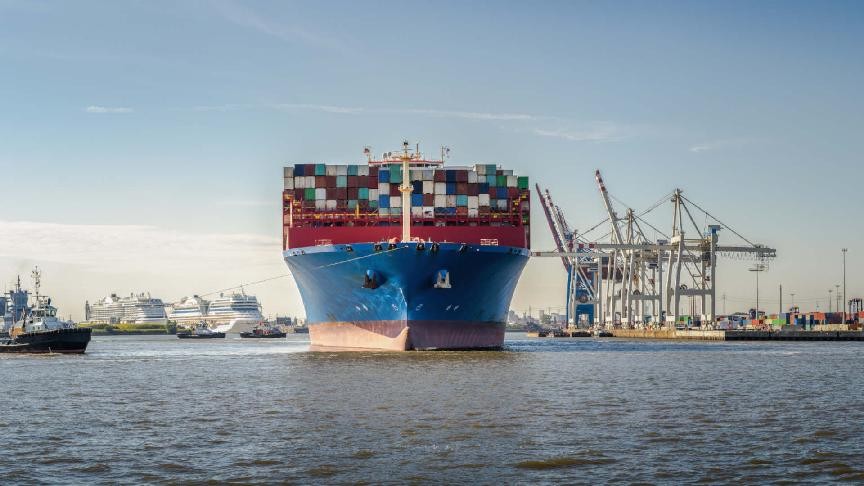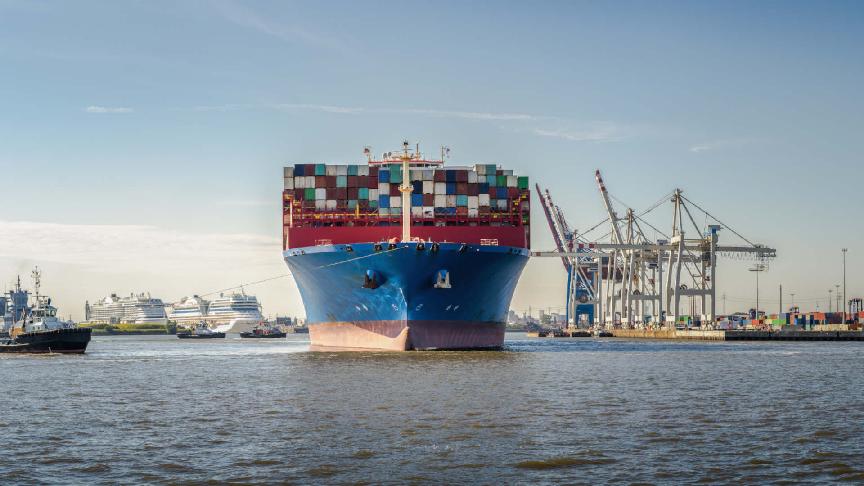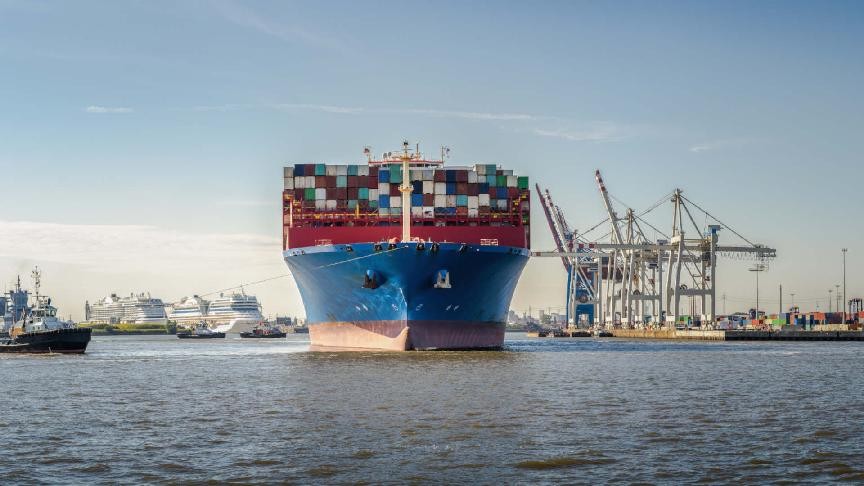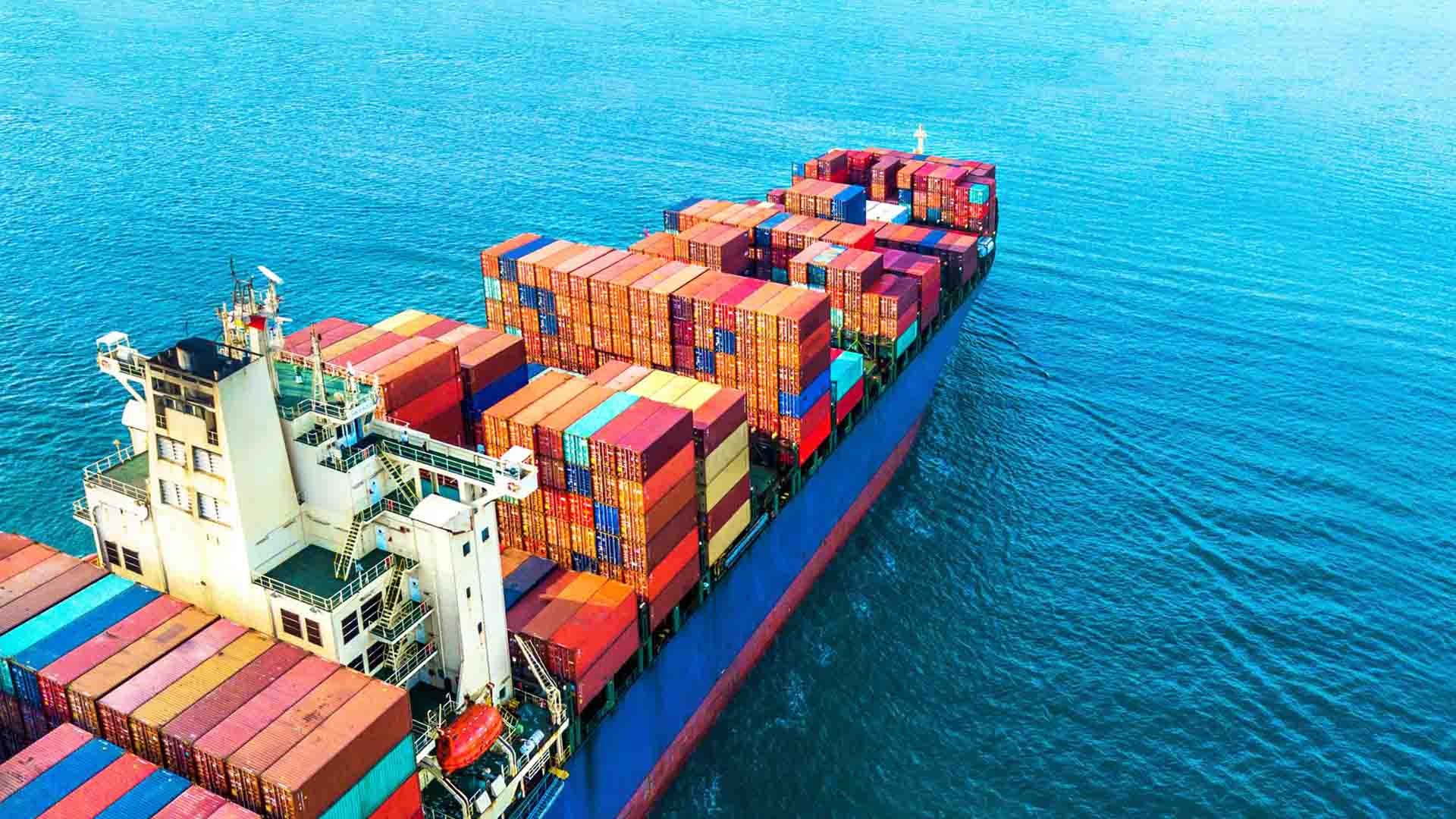

COSCO Shipping Holdings has ordered 12 large LNG dual‑fuel boxships, extending its fleet expansion.
In a stock filing on Wednesday, the Chinese container liner said its subsidiary Orient Overseas has entered contracts with Hudong-Zhonghua Shipbuilding and China Shipbuilding Trading for a dozen 13,600 teu containerships worth $2.2bn in total.
The LNG dual-fuel newbuildings are scheduled for delivery between the third quarter of 2028 and the first quarter of 2030.
CSH’s order comes only months after its $2.7bn deal, announced in January, for 18 new LNG dual-fuel containerships of 18,000 teu.
Amid growing uncertainty, the company seeks to booster its full-chain service capability and build a “stable, efficient and resilient global supply chain network with strong risk-resistance capacity”, CSH said on Wednesday in a separate statement.
“Looking ahead, the global container shipping market will remain complex and volatile, as geopolitical tensions are escalating and potential supply chain risks are rising.”
The new vessels, designed to be highly versatile for different lanes and terminals, will enable the carrier to become more competitive in the traditional European and US trunk routes, and better connect smaller regional ports to key hubs such as Piraeus in Greece, the company said.
Cosco though is far from alone in adding containership capacity, with the global orderbook now at its highest level since the 2008 financial crisis.
This surge will “surely” lead to oversupply, Linerlytica co‑founder Tan Hua Joo said. By late April, Mediterranean Shipping Co alone already had 138 newbuildings to its name, representing nearly 2.4m teu of capacity, according to Linerlytica.
“The problem is none of the carriers are willing to give up market share and the ordering will continue,” he told Lloyd’s List.
Fearnley Securities also said in an April report that the world’s large liners “appear prepared for the oversupply likely to emerge given the 37% orderbook-to-fleet, having accumulated substantial cash reserves”.
CSH’s new order was announced together with the company’s net profit for the first quarter this year at Yuan5.88bn ($859m), down nearly 50% year on year because of weaker container freight rates. The average China Export Containerized Freight Index fell by more than 16% when compared to the same period last year.
Apart from the lower rates, conflicts in the Middle East also continue to pose “significant challenges” to global shipping, CSH added.