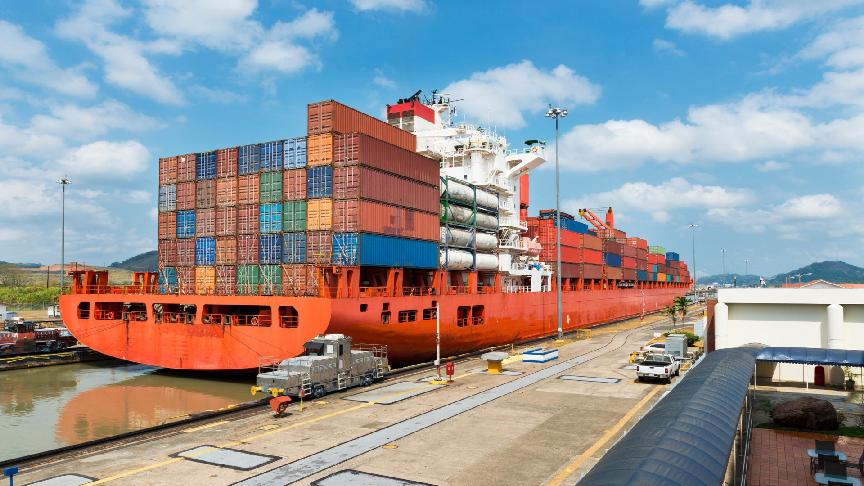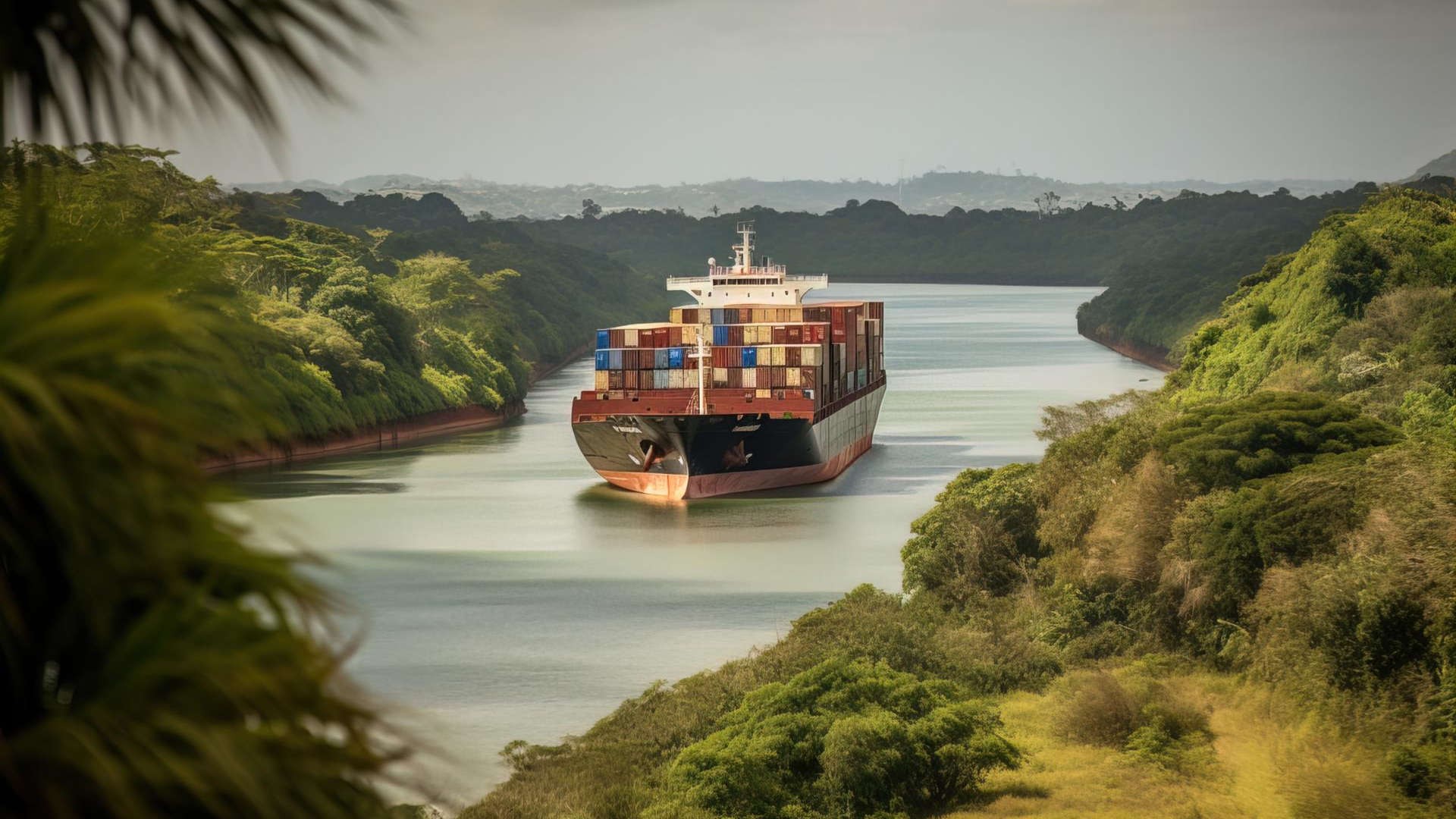

US President Donald Trump has been busy asserting US dominance in the Western Hemisphere. Since unveiling his “Donroe Doctrine”, he has forcibly deposed the president of Venezuela, enacted a blockade on Venezuelan oil exports, seized four tankers, and threatened Greenland, Colombia, Mexico and Cuba.
Panama is conspicuously absent from the list. Trump hasn’t mentioned Panama, or taking back the canal, in over 10 months.
The Polymarket odds that the US would “take” the Panama Canal by 2027 rose from 8% to 12% following the US attack on Venezuela, but this threat has passed, said Panama President Jose Raul Mulino.
“What at one point seemed like the end of a long period of friendship, collaboration and reciprocity was gradually rebuilt with time and skill,” said Mulino in an address to the National Assembly on January 2.
“Gone are the dire predictions and bombastic declarations, with their short-sightedness, selective memory and greater interest in the ‘box office’.
“We have solidified our strategic position as a link between the great power of the north and the powers of the southern continent.
“Panama moved toward a relationship of respect, restored trust, joint work and friendship, and the canal remained — and will continue to remain — Panamanian,” said Mulino, adding that the waterway is “operating at full capacity”.
It’s close to full capacity, but not quite, according to the latest monthly data* released by the Panama Canal Authority (ACP).
The canal handled 34.6 transits per day in December, up 3% month on month (m/m) to the highest average since February 2025. However, last month’s average was still down 7% or 2.4 transits per day versus December 2022, prior to the drought crisis.
There were 1,072 transits through the waterway last month, up 7% m/m.
The neopanamax locks handled 301 transits, up 10% m/m. Of the neopanamax total, 89% were containerships and very large gas carriers. Neopanamax containership traffic was steady, down 2% m/m, while VLGC transits surged 27% m/m.
There were 771 transits via the panamax locks, up 5% m/m. There were 20 more transits by refrigerated carriers in December versus November, 15 more by general cargo ships and 12 more by bulkers.
Combined traffic through both locks is lower than it was before the drought due to decreased dry bulk demand.
In December 2022, there were 269 bulker transits (212 through the panamax locks, 57 through the neopanamax locks). Last month there were 191 (185 via the panamax locks, six via the neopanamax locks).
The 29% decline equates to 2.5 fewer transits per day in December 2025 versus December 2022.
There are two drivers of the pullback: first, US soyabean exports have been extremely weak, and second, when these cargoes do move to Asia, most shippers are opting for the Cape of Good Hope route.
The fourth quarter is the peak season for US soyabean exports. According to cargo inspection data from the US Department of Agriculture, only 14.1m tonnes were exported in 4Q25, half of inspected volumes in 4Q24.
China resumed loading US soyabeans in late November as part of the new trade agreement. USDA inspection data shows that 19 bulkers have loaded soyabeans bound for China since then.
Sixteen of these loaded in the US Gulf, but only three took the Panama Canal route, with 16 sailing around the Cape of Good Hope, according to vessel-position data from Lloyd’s List Intelligence.
* The ACP does not release monthly transit statistics by segment or statistics on total monthly transits. It releases fiscal-year-to-date transits by segment and fiscal-year-to-date total transits since October, the beginning of its fiscal year. Lloyd’s List calculates monthly transits by comparing each month’s cumulative fiscal-year-to-date statistics.