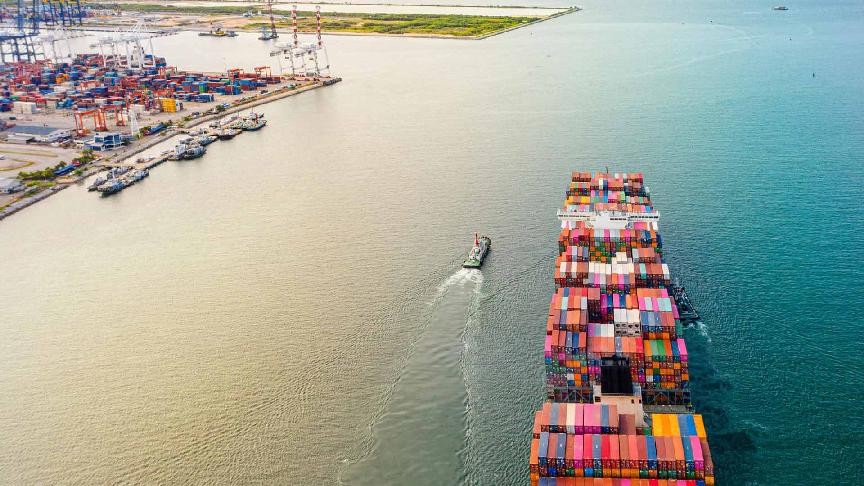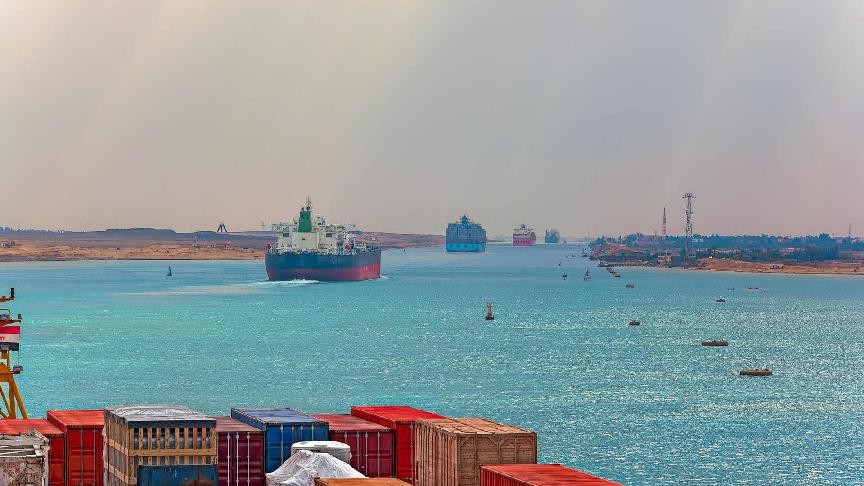

TRANSITS through the Bab el Mandeb chokepoint have hit their highest level since January 2024, supporting the growing sentiment that a widespread return to the Red Sea could be close.
Lloyd’s List Intelligence data shows there were 1,128 transits through the chokepoint in November 2025, up 3% on October’s figure of 1,094 and not far off the post-exodus high of 1,299 transits seen in January 2024.
November 2025’s transits were up 19% on the same month last year and mark the sixth consecutive month where traffic has exceeded the corresponding month in 2024.
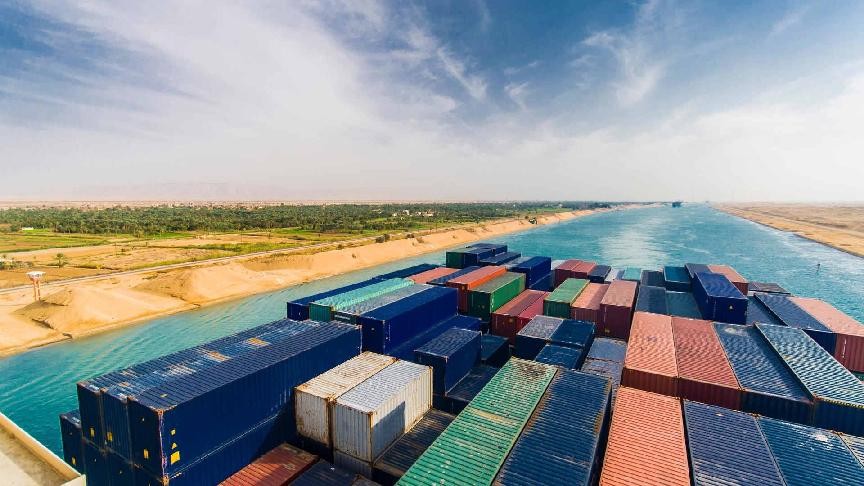
As far as the Suez Canal goes, again transits in November 2025 were at their highest level since January 2024, with 1,004 recorded last month. This marks the third consecutive month transits through the Suez Canal have tracked above the 2024 figures.
The data suggests traffic has bottomed out and backs up the sentiment that shipping is making a tepid, gradual return to the Red Sea.
The Suez Canal Authority has been very vocal in a bid to entice major carriers to return, initially suggesting Maersk would return to the canal in December. Maersk later corrected this and said it would return “as soon as conditions allow”, as did Israeli container line Zim.
It is, of course, in the SCA’s interests for carriers to restart voyages via the canal, and a return of the likes of Maersk, CMA CGM and the Mediterranean Shipping Co would truly signal a resumption of normal services.
While the numbers reveal a positive trend, it’s still a remain a far cry from the volumes seen before the Houthis began their campaign of terror on commercial shipping.
Bab el Mandeb transits were down 52% from November 2023 last month, 61% if measured by capacity. The figures are broadly similar for Suez Canal transits too.
Moreover, much of the increase is being driven by bulk carriers and tankers, which if trading on the spot market have greater flexibility to try out the shorter route.
There’s also plenty of scepticism around the idea that the coast is clear for shipping to return.
BIMCO chief security officer Jakob Larsen told the Lloyd’s List Podcast that the threat from the Houthis “has not changed significantly”, despite the ceasefire agreed between Hamas and Israel, and the letter sent from the Houthis to Hamas’ military wing, suggesting attacks had ceased.
Lloyd's List · Is a Red Sea return closer than ever before?
IR Consilium founder and maritime security expert Ian Ralby said anyone who thought the Houthis were finished with their attacks did not understand the Houthis.
“They are very much a long-term threat that has not been addressed,” he said.
“I think it would be very, very risky for any shipowner to choose to return to the Red Sea at this point.”
Norden chief executive Jan Rindbo acknowledged that the situation was “highly volatile” and could change quickly, which made it tricky for shipowners to make decisions when a vessel could take 10 days to get to the Red Sea itself. That’s plenty of time for the security picture to change considerably.
“The longer we see the kind of stability we have seen in the recent weeks, then the confidence will start to grow,” he told Lloyd’s List.
“I would say we are not there yet.”
Just one attack would reset all of these gains and take shipping back to square one, he said.
But for now, the momentum for a return continues to grow.