
As global supply chains continue to evolve, staying informed about market developments is more important than ever. Our quarterly Air Logistics Market Update shares insights into the trends, challenges, and opportunities shaping the air freight industry.
Global demand and capacity - Demand Growth Continues to Outpace Limited Capacity Growth, Keeping Market Conditions Tight
Demand
Global air cargo demand increased by 6% YOY in Q3, according to WACD, demonstrating resilience despite geopolitical uncertainty, and regulatory changes in Europe affecting e-commerce.
A key development in Q3 was the removal of the EU de minimis exemptions from 1 July which led to a significant reduction in low-value e-commerce exports from China and Hong Kong to Europe in Q3. While Asia-Europe volumes declined, volumes on the trade lane showed signs of gradual stabilization towards the end of the quarter.
In contrast to Asia-Europe, exports from Asia to North America continued to expand, supported by strong demand for technology products, semiconductors, servers, and other AI-related infrastructure. This proved to be a continuation of the technology-driven demand trend that had been seen on the trade lane in previous quarters.
Overall, the divergence between Asia-Europe and Asia-North America demand patterns became more pronounced throughout the quarter, reflecting the different factors driving demand across the two trade lanes.
Capacity
Global air cargo capacity increased by 1% YOY in Q3 2026, according to Rotate, remaining relatively flat amid continued operational disruptions and changing demand patterns. Rather than adding significant new capacity, airlines focused on reallocating existing aircraft to markets offering stronger returns.
The sharp decline in Europe-bound e-commerce volumes prompted airlines to reduce capacity on affected Asia-Europe routes and redeploy aircraft to the transpacific market, where technology-related demand remained strong.
Recovery of Middle East capacity continued, primarily supported by regional carriers, although overall market capacity remained below pre-conflict levels as many international airlines delayed a full return to the region.
Localised operational disruptions also temporarily affected capacity during the quarter due to weather and natural events across Asia, an aircraft accident in Miami, and air traffic control outages in the US and UK causing temporary constraints and service disruption
Jet Fuel
- According to IATA data, jet fuel prices followed an overall upward trend during Q3 2026, averaging more than 70% above Q3 2025 and rising from around USD 119/bbl in early July to USD 185.43/bbl by the end of September.
Regional market developments
Europe - Demand Holds Up Through the Summer Period
European air cargo demand remained stronger than expected during Q3, with only a limited summer slowdown. North America remained an important demand driver for the region.
Capacity remained stable across most trade lanes.
Temporary operational disruptions also affected the region, including an air traffic control failure in the UK that caused widespread restrictions on UK flight operations and numerous cancellations.
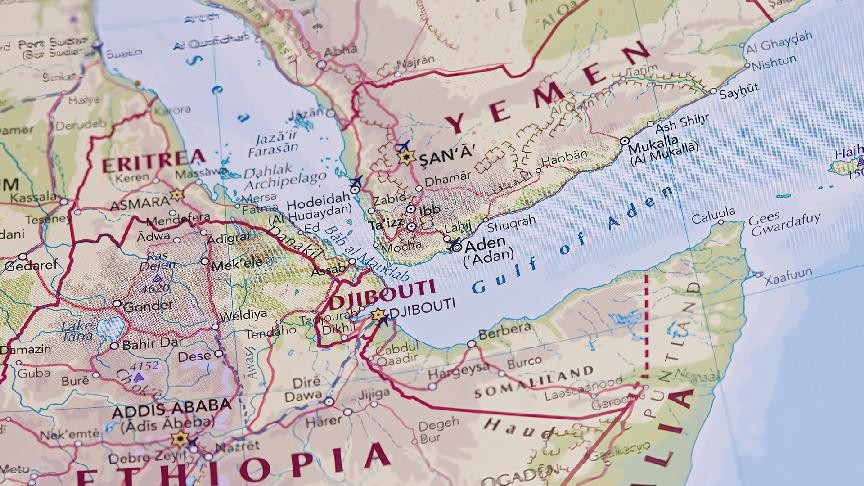
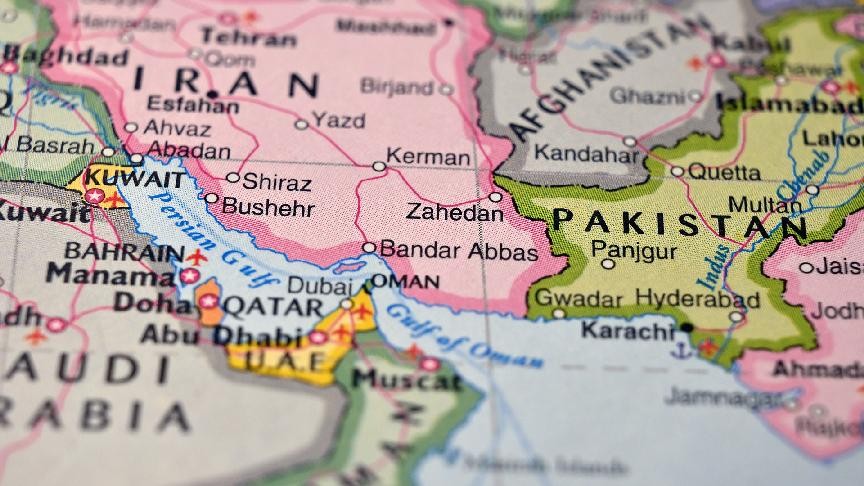
Middle East - Capacity Recovery Continues Amid Ongoing Uncertainty
Geopolitical tensions continued to affect the Middle East air cargo market during Q3, with airspace restrictions and extended transit times impacting operations.
Demand weakened further across the region’s main international air cargo corridors.
Regional carriers continued rebuilding capacity and approached pre-conflict operating levels, although the return of international carriers remained limited.
Americas - Market Conditions Remain Broadly Stable Despite Localised Constraints
Market conditions remained broadly stable, although capacity constraints persisted on select trade lanes and markets.
Capacity to Southeast Asia remained tight, particularly from US to Singapore, while capacity to India continued to face constraints related to summer payload restrictions and long-haul routings.
In Latin America, aircraft maintenance and AOGs affected capacity to select destinations, including Bogotá, Lima and Santiago, resulting in cancellations and delays.
Asia - AI and Semiconductor Supply Chains Drive Growth
Asia remained the primary source of global air cargo demand growth, led by exports linked to AI infrastructure, cloud computing, semiconductors, and related technology products.
Strong demand from the United States contrasted with softer conditions in Europe, where regulatory changes reduced e-commerce volumes and reshaped trade patterns.
Airlines demonstrated significant flexibility by rapidly adjusting capacity deployment in response to changing market conditions across both Europe- and North America-bound trade lanes.