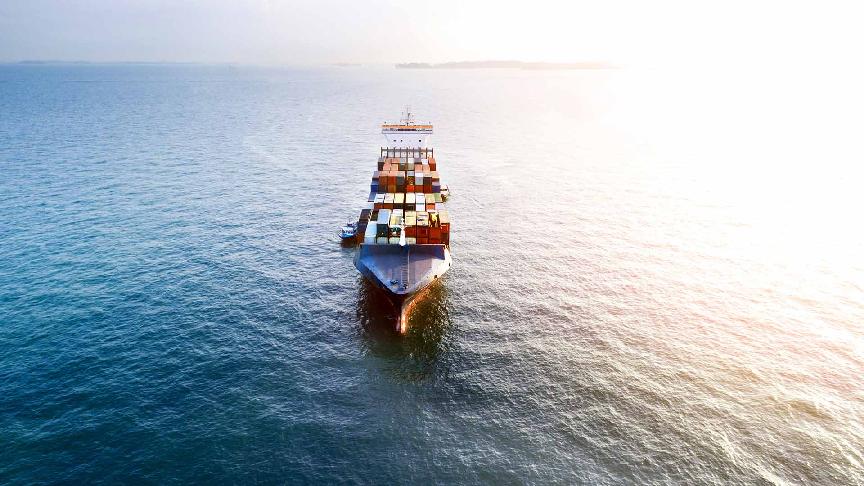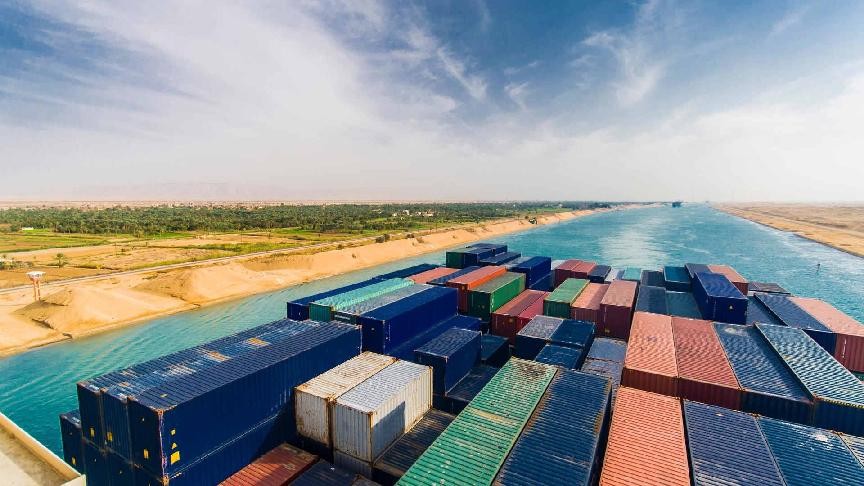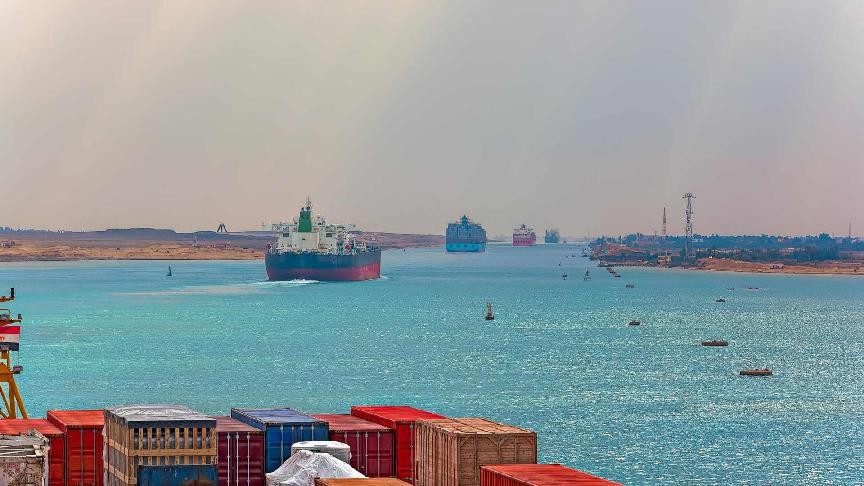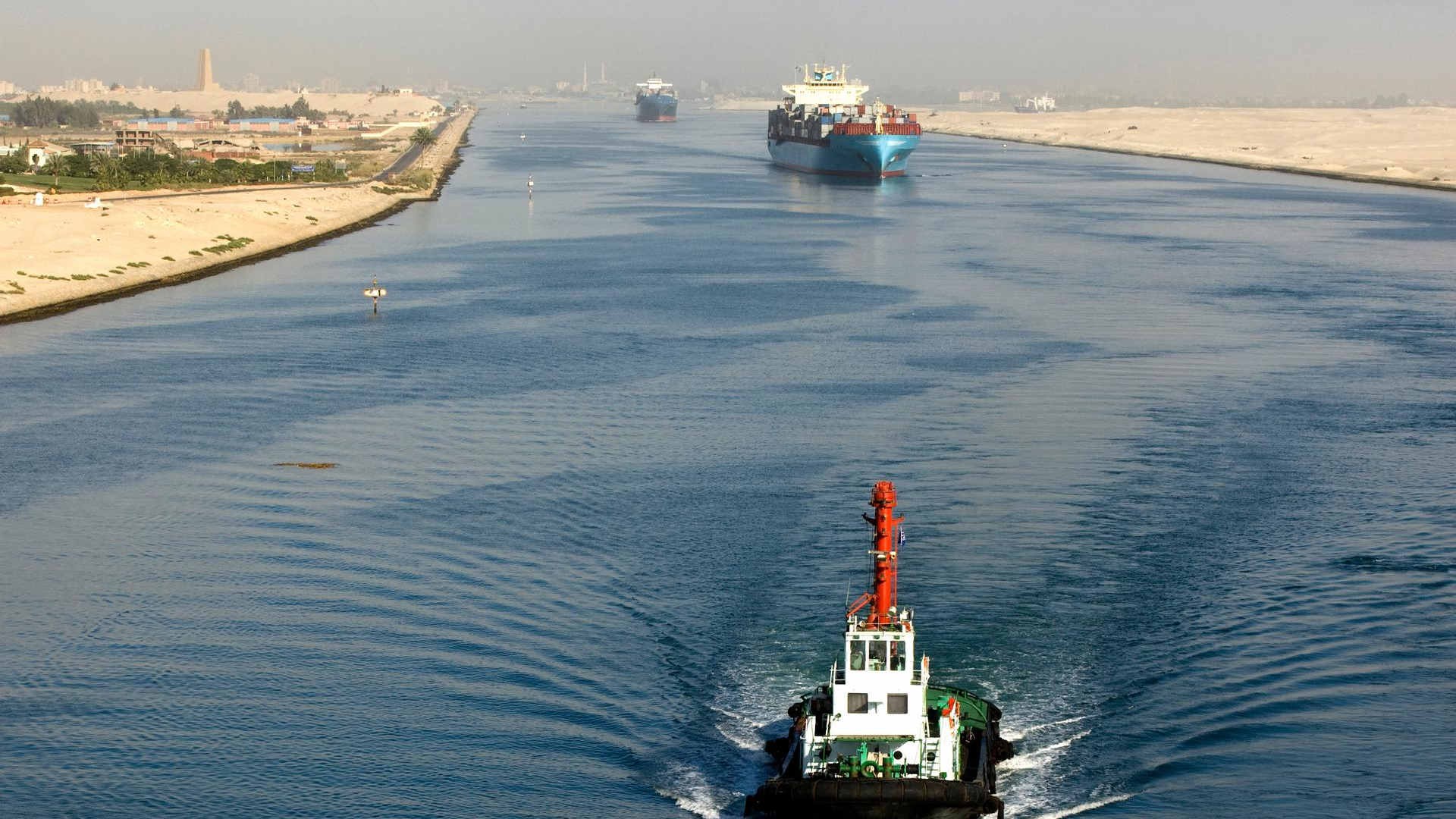

Global container shipping lines are signaling markedly different approaches toward a potential return to the Red Sea and Suez Canal, as evolving regional security conditions prompt cautious reassessments across the industry. While Maersk has initiated limited test transits, CMA CGM is preparing to reinstate scheduled Suez routings, and Hapag-Lloyd is maintaining a more conservative stance pending sustained stability.
Maersk: Testing the waters before any network shift
Maersk has taken the highest-profile step toward reopening the vital corridor, completing its first Red Sea transit in nearly two years with the Maersk Sebarok — a 6,500-TEU vessel sailing under strict safety protocols. The company emphasized that this was not a signal of an imminent shift in the East-West network, but rather a controlled test voyage to assess conditions.
Analysts say the move sends a “clear signal” to the industry. Several believe Maersk’s decision could encourage competitors to follow suit after the New Year, although Maersk has reiterated that any wider return will be gradual and dependent on continued security improvements.
The test follows indications from regional actors, including a temporary suspension of attacks by Houthi forces, that tensions have eased, though risks and high insurance premiums remain major obstacles.
CMA CGM: First major carrier to fully resume a Suez rotation
In contrast to Maersk’s cautious, exploratory approach, French carrier CMA CGM is preparing a full operational resumption of Suez transits on its India–US East Coast Indamex service.
The line will return to its “normal” Suez-based rotation beginning with the CMA CGM Verdi, departing Nhava Sheva on January 18 and set to transit the Suez Canal on February 8. A complete switch back to a Suez routing is planned for Q2 2026, marking CMA CGM as one of the earliest adopters of a structured return to the corridor.
This decisive move contrasts sharply with the more tentative strategies of Maersk and others, underscoring CMA CGM’s willingness to restore pre-crisis network patterns where possible.
Hapag-Lloyd: Reviewing a return, but not ready to commit
Among the major carriers, Hapag-Lloyd remains the most reserved. The line has openly acknowledged that it is reviewing conditions for a return to Suez and has developed a detailed plan for a potential resumption. However, Hapag-Lloyd stresses that no timeline has been set, and a decision will be made only once the safety of crews, cargo, and assets can be guaranteed.