
While signs of development at the end of 2025 raised questions about a near return to the Red Sea passage, major container carriers remain cautious.
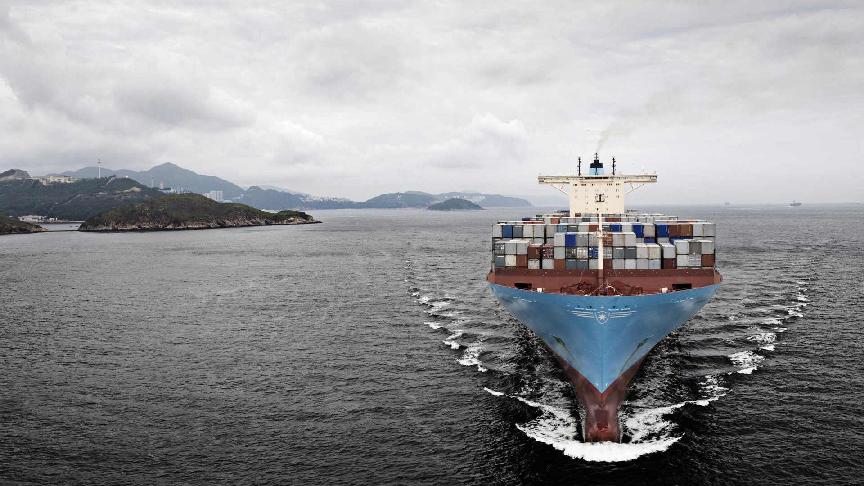
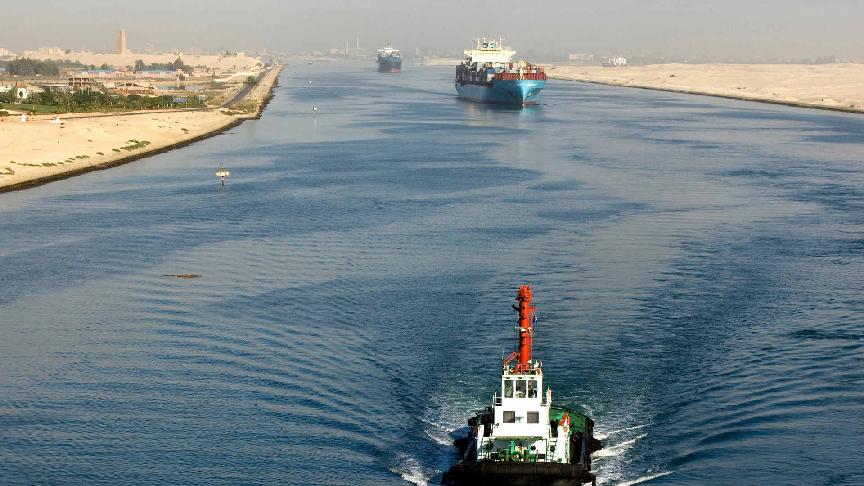
Some carriers have trialled escorted sailings, though the route is still viewed as highly risky. Most recently, this week marked the passage of Maersk's 6,248-TEU boxship Maersk Denver, the second Red Sea transit for the liner after Maersk Sebarok's voyage in December.
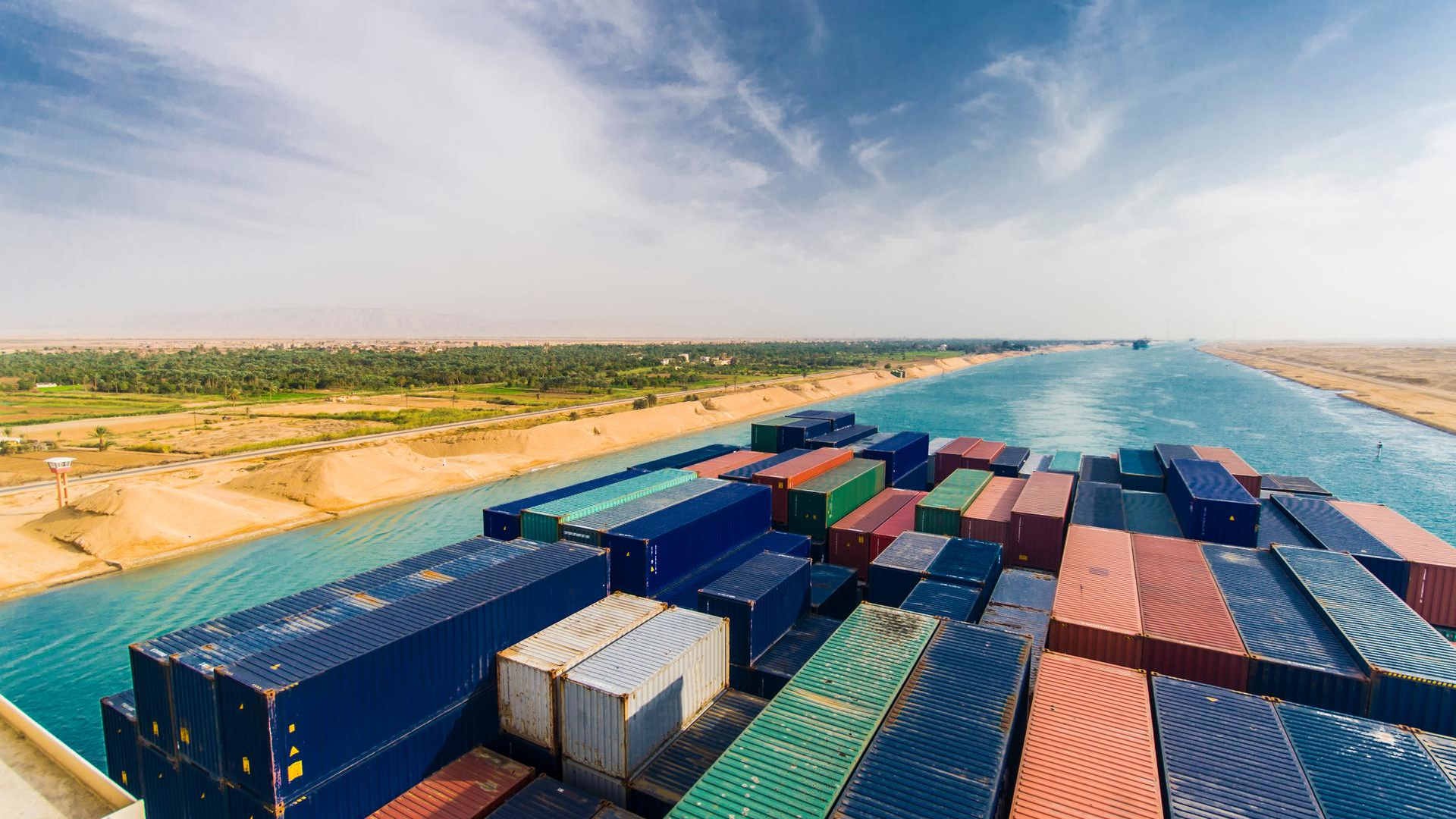
French liner CMA CGM had also completed several voyages through the Canal, one of which was by CMA CGM Jacques Saade in December 2025.
Challenges hindering a full return
A recent report by Xeneta, the freight rate benchmarking and market analytics platform, explored the different strategies and the possibility and impact of a return.
Xeneta analysts believe that there is "still a long way to go before transits return to pre-Red Sea Crisis levels."
Elevated insurance costs, unpredictable charter markets and the operational impact of longer detours around Africa are among the factors delaying a broader reversion to the Suez link.
In addition, a swift shift back to the canal could create operational strains. Earlier arrival patterns could disrupt cargo planning, and a sudden wave of service adjustments might cause congestion if large numbers of ships converge on ports simultaneously.
Overcapacity risks
Industry experts mention another concern that could occur with a mass return to the Red Sea, namely the risk of overcapacity.
A large-scale return to the Red Sea will free up ships
Assessments indicate that operators expanded their fleets in preparation for capacity demands, but early‑year volatility has reinforced concerns about returning to the Red Sea.
Although a limited number of boxships have continued to transit the canal, these have not materially altered overall traffic levels, and transit volumes remain far below those recorded before the Red Sea crisis.
MDS Transmodal, a transport economics consultancy, notes that sailings around the Cape of Good Hope absorb 6-8% of global containership capacity, roughly 2m TEU. This percentage could drop significantly once sailings return to normal.
Potential impact of vessel oversupply
As the new tonnage arrives and carriers gradually return to the shorter route, experts expect the overflow of vessels to exacerbate the risk of overcapacity.
The resulting environment will leave East–West services exposed to long‑term oversupply. Many of the newest vessels cannot simply be reallocated to regional networks, as numerous ports lack the draft, berth length or crane reach required to handle ships of this size.
Lloyd's List experts believe that the challenge is not merely the volume of new ships, but the concentration of newbuilds in vessel types unsuited to a wide range of trades. Their size restricts flexibility, making them difficult to integrate into multi‑stop rotations or smaller port networks.
The problem is not simply “too many ships”, it is too many of the wrong ships, and too few of the workhorse vessels that regional supply chains depend on.
These factors together suggest that the fleet will not match the available ways to use it, as its size will grow faster than the infrastructure and routes needed to support it.