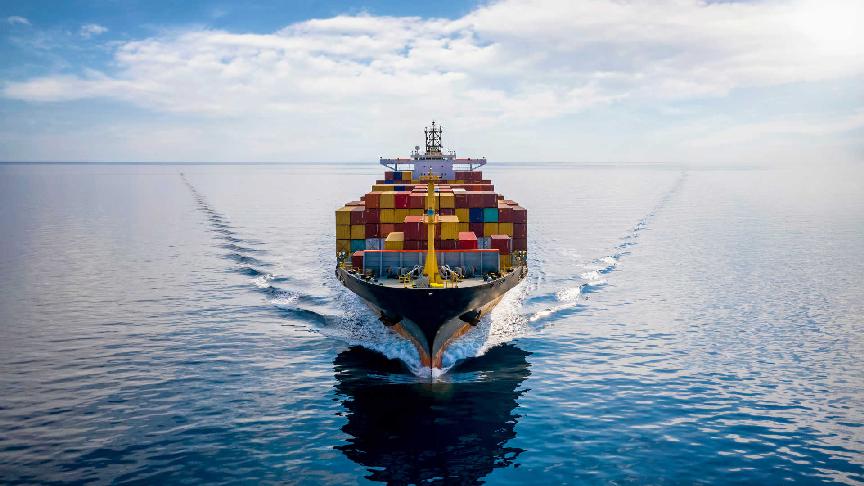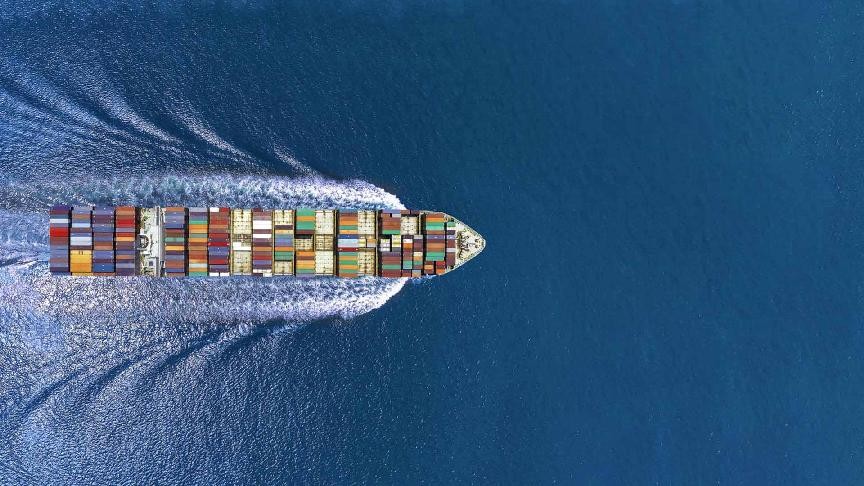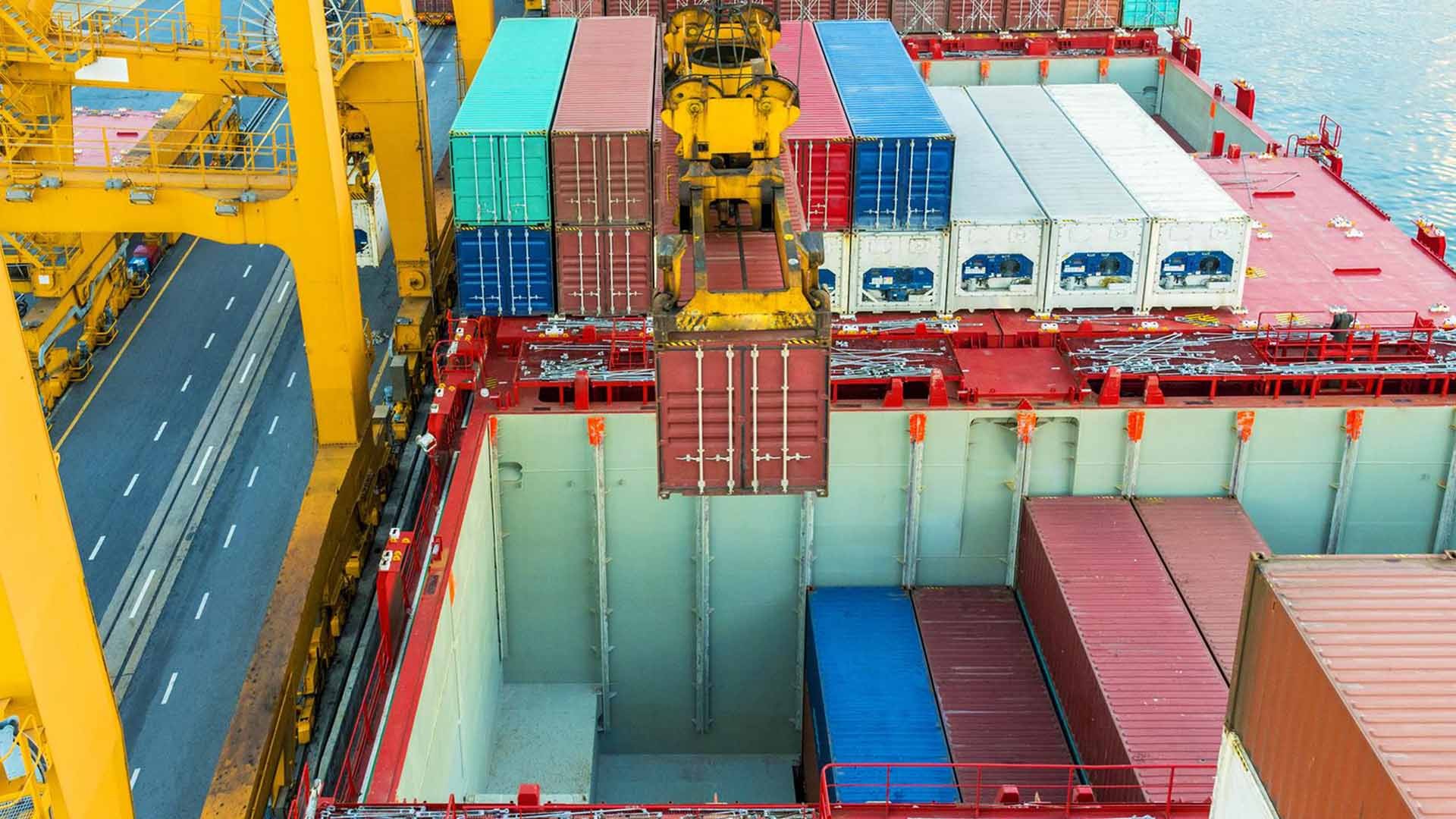

While European routes are experiencing a pronounced surge in capacity and firm demand, transpacific volumes appear more muted amid economic and policy uncertainty in the United States.
Asia-Europe trade surges
On the Asia–North Europe trade, carriers have injected record levels of capacity as shippers race to move cargo before Chinese factories close for up to three weeks.
With the Year of the Horse beginning on February 17, capacity offered this month has reached an all-time high. JOC reports that data from Xeneta shows 1.15 million TEUs being deployed in January, with almost no blank sailings, before capacity eases in February.
Market analysts see signs of frontloading beyond normal seasonal demand, partly driven by extended transit times on the Asia–Europe route. According to JOC, Sea-Intelligence reports that weekly capacity is nearly 50% above pre-COVID norms, suggesting that shippers are pushing cargo earlier to secure European inventory ahead of the holiday slowdown.
After two years of extended transit times, shippers are adjusting their plans accordingly, leading to a more stretched peak season.
Executive Vice President of Sea Logistics
Asia-North America trade faces a slowdown
In contrast, the Asia–North America trade is entering the Lunar New Year period with weaker momentum.
In another article, JOC notes that US West Coast ports retained their market share gains in 2025, as importers favored faster trans-Pacific transit times and front-loaded cargo earlier in the year.
However, that demand faded in the second half, and imports are not expected to show a typical pre-holiday surge in early 2026.
Rising inflation, softer consumer confidence, and ongoing tariff uncertainty are prompting US retailers to remain cautious in ordering seasonal merchandise.
Looking ahead, a potential resurgence of container traffic through the Suez Canal may reshape global routing decisions, allowing US East and Gulf Coast ports to regain some of the market share they lost over the past two years.
For now, shippers face a pre–Chinese New Year environment defined by strong demand and tightening capacity to Europe, and a more restrained outlook across the Pacific.