
Update: 29.09.2026
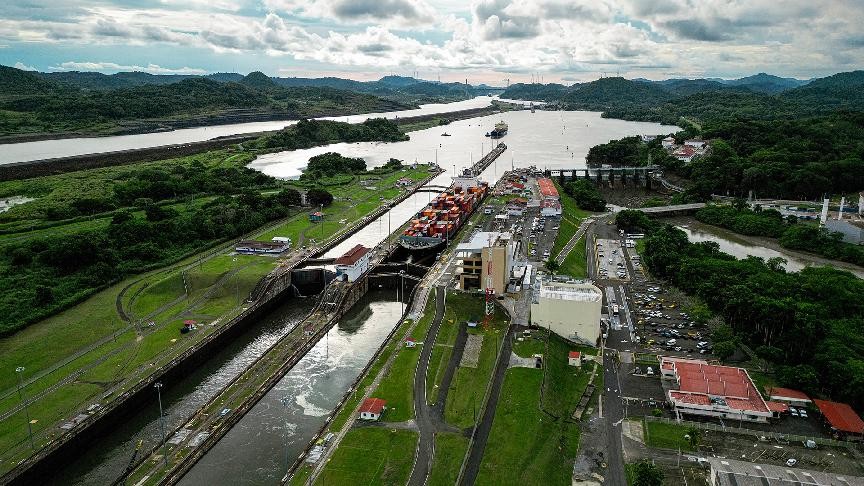
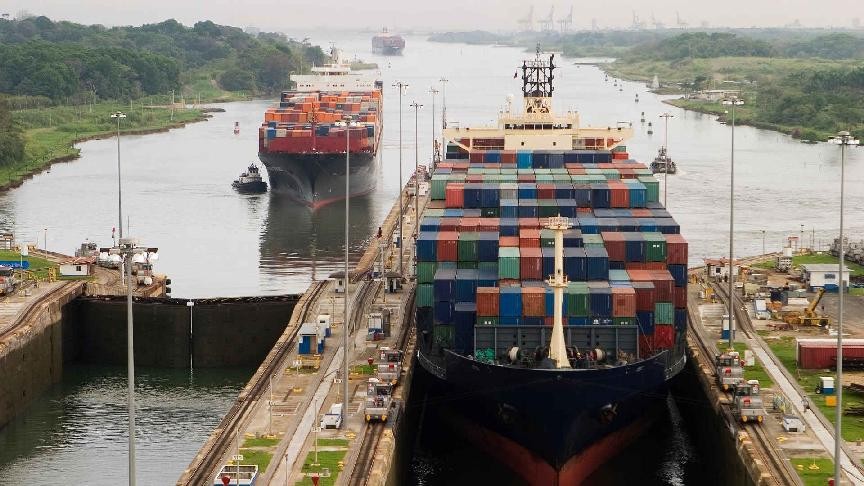
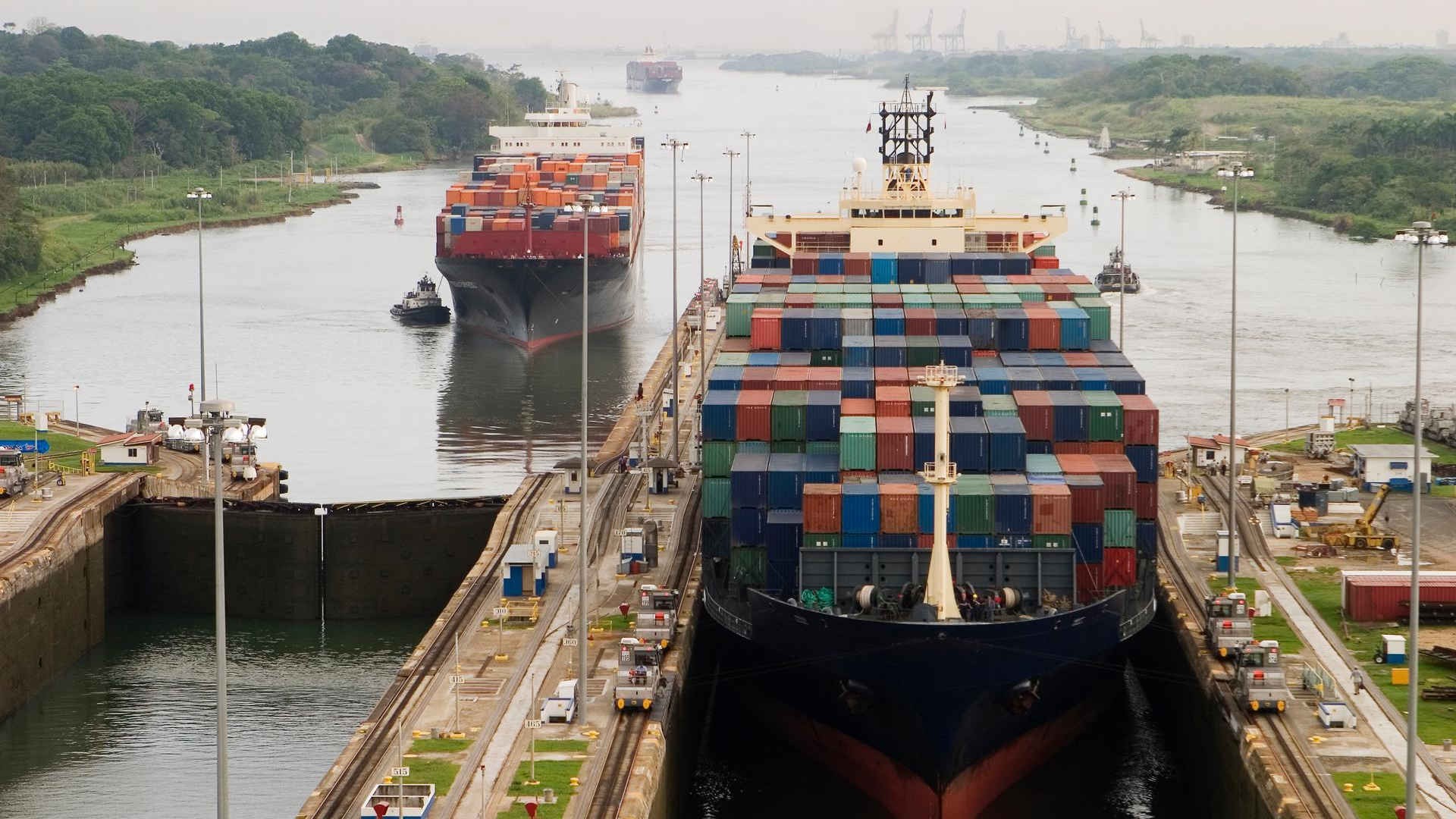
The Panama Canal Authority (ACP) has announced an additional booking slot at the Neopanamax Locks for booking dates starting on 15 October 2026.
The change will increase daily Neopanamax capacity from nine to ten slots and raise total daily capacity across the Neopanamax and Panamax Locks to 33 transit slots.
According to the ACP, the extra slot is supported by improved water conditions and favourable hydrological projections. It will be made available through Booking Period 2 when the second period competition opens on 1 October 2026.
The authority has also revised the maximum authorised draft for vessels transiting the Neopanamax Locks.
Effective immediately and until further notice, the limit has been set at 14.94 metres (49.0 feet), taking into account precipitation levels recorded in September, water-saving measures at the locks, and current and projected levels of Gatun Lake.
Despite the increase in capacity, the ACP advised that the Canal watershed continues to experience a water deficit. The authority said the Transit Reservation System remains the only mechanism that guarantees a transit date, and vessels without reservations may face indefinite delays.
Original article: 09.09.2026
In an advisory published on 4 September, the Panama Canal Authority (ACP) announced it has postponed a planned reduction in the maximum authorised draft for vessels using the Neopanamax Locks.
The limit was scheduled to fall to 14.48 metres, or 47.5 feet, Tropical Fresh Water from 1 October 2026. Instead, the existing maximum of 14.63 metres, or 48 feet, will remain effective until further notice.
The ACP based its decision on the current level of Gatun Lake and the latest weather forecasts. It will continue monitoring lake conditions and announce any subsequent draft changes.
The advisory comes as newly appointed Panama Canal administrator Ilya Espino de Marotta warns that restrictions could be strengthened if drought persists through the end of the year.
She said rainfall during September, October and November would determine whether further measures were required in January, February or March.
Rainfall across the Panama Canal watershed was 34% below average between May and August. Espino de Marotta, the canal’s first female administrator, said the increasing frequency of dry years made climate change the principal concern.
Current conditions remain less severe than during the 2023/24 drought, when restrictions were tightened and vessel queues lengthened.
Waiting times are now also rising, with tankers above 34,000 deadweight tonnes facing delays of about three days on the Pacific side and more than four days on the Atlantic side, according to BRS.
In the longer term, canal authorities are relying on the Rio Indio reservoir project to support water supplies for canal operations and Panama’s growing population.
The project is expected to take five to six years to complete and is intended to remove the need for drought-related transit restrictions.