
17 October (Lloyd's List) - MAERSK has called on China to include shipping in its carbon trading scheme, while also highlighting the opportunity to leverage Shanghai’s prominent global position to become a green hub for the industry.
In a social media post, Maersk chairman Robert Maersk Uggla said that China should consider a similar extension to that of the European Union’s Emission Trading System that establishes “an incentive mechanism for the use of green fuels, which will promote investment in green methanol production in China”.
He made his recommendation during the International Business Leaders’ Advisory Council for the mayor of Shanghai.
The EU ETS, a “cap-and-trade” system established in 2005, will include the shipping industry from next year. The scheme will impact all shipping activities within the European Economic Area, consisting of EU member states, Iceland, Liechtenstein and Norway.
China initiated its national carbon trading system in July 2021, overseen by the Shanghai Environmental and Energy Exchange.
China’s ETS only covers the domestic power sector, but it is considering including other heavy emitters, such as steel, petrochemical and construction industries.
Maersk chairman’s remarks come as an increasing number of shipowners are investing in alternative fuel-ready vessels to upgrade their fleets to meet the rising demands of decarbonisation.
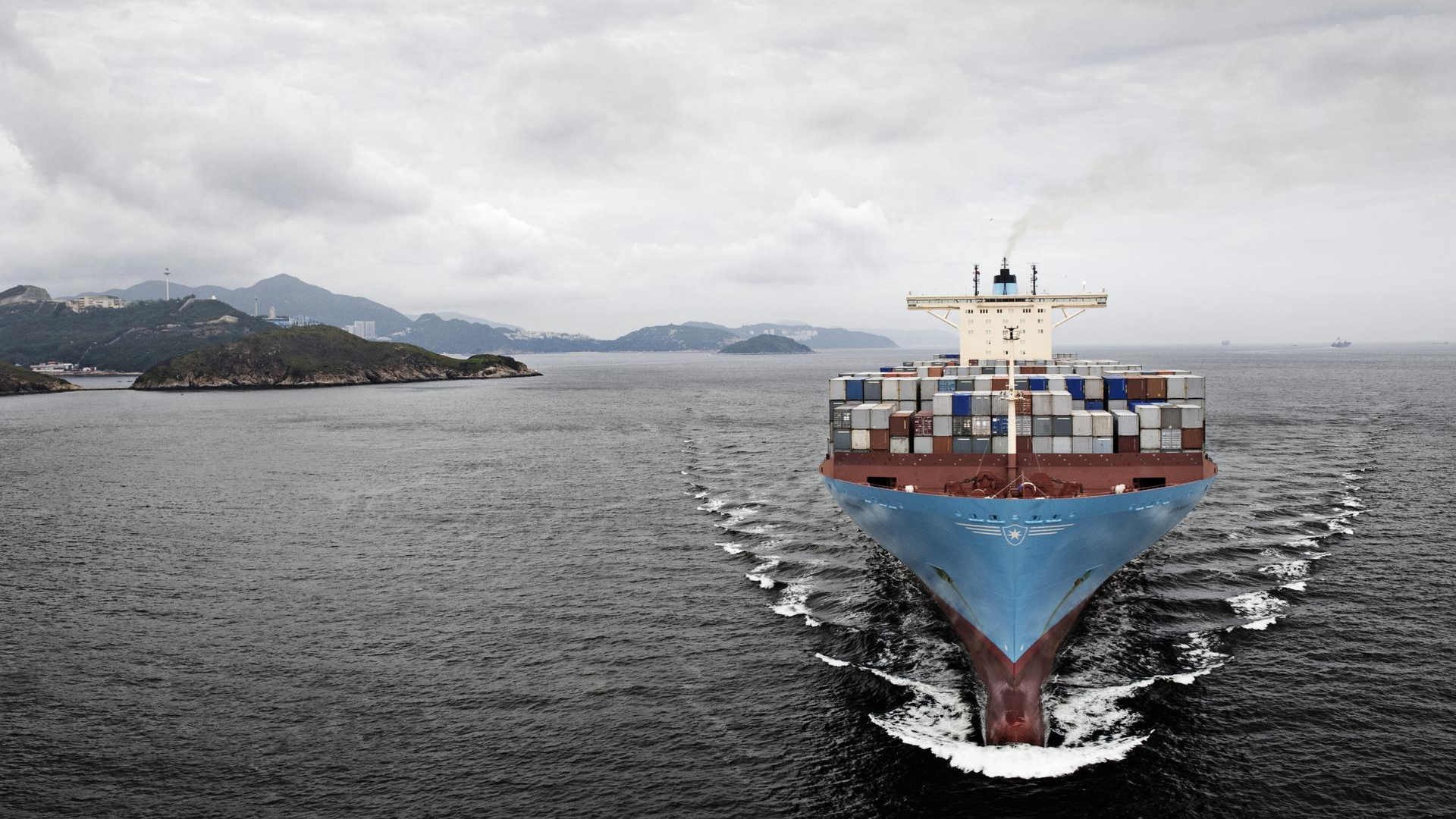
Maersk took delivery of the world’s first methanol-powered containership Laura Maersk in September and it has 24 additional methanol vessels on order for delivery between 2024 and 2027.
As a leading investor in cleaner vessel and fuel technologies, the Danish giant stands to gain an advantage from the broader inclusion of the shipping industry in emission trading systems worldwide.
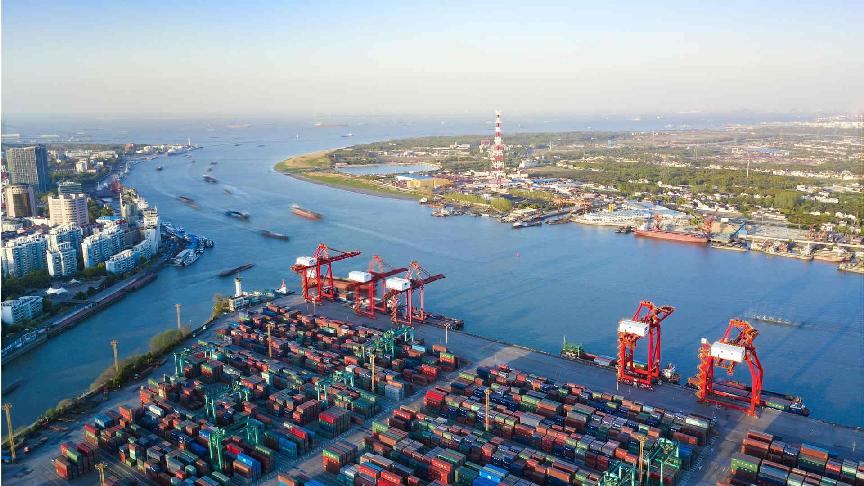
With Shanghai already home to the world’s largest container port, the availability of green fuel supply and infrastructure is set to attract the deployment of newly ordered low-emission vessels to the port city, Uggla said.
The chairman highlighted that the production of green fuels and green chemicals is set to be a major opportunity for China’s industries.
To produce 100m tonnes of green methanol, an investment of up to $500bn will be needed. That will benefit all participants in the value chain, including fuel producers and developers of renewable energy and hydrogen projects, he said.
Maersk recommended that Shanghai works closely with industry players to plan and build green bunkering facilities in parallel with other leading global ports such as Rotterdam and Singapore. This includes the required storage facilities, as well as bunkering vessels, to enable efficient simultaneous operation of ships.
“Globally, there are nearly 200 orders for green methanol ships. We hope that green methanol made in China will be ready... we also hope that the green methanol bunkering infrastructure at Shanghai port will be complete,” said Uggla.
“Shanghai has made significant progress in these aspects, and we are confident that Shanghai will be ready for a new generation of green ship services and become the world’s leading green shipping center.”
He also proposed evaluating the related tax regulations to ensure the competitiveness of methanol produced in or imported to China.
IBLAC, the annual conference initiated in 1989, has grown into a think tank for Shanghai’s municipal government.
The council comprises 43 entrepreneurs from 15 countries, representing various industries including biopharmaceuticals, food processing, transportation and logistics and finance.