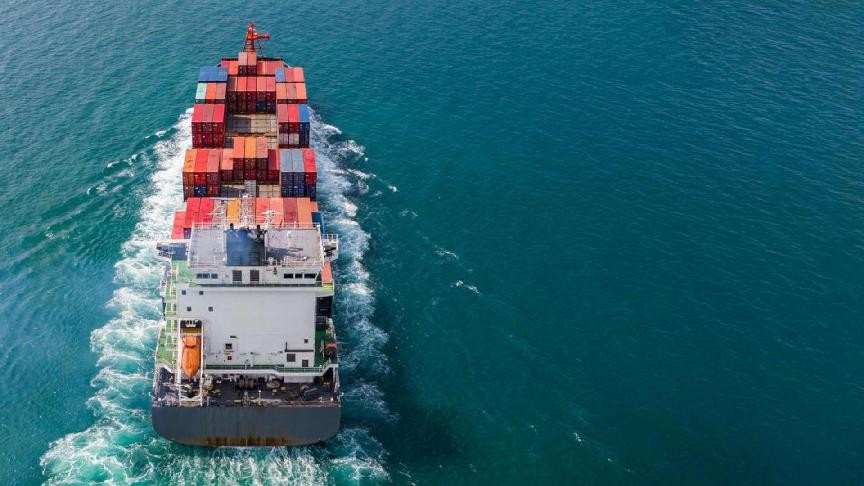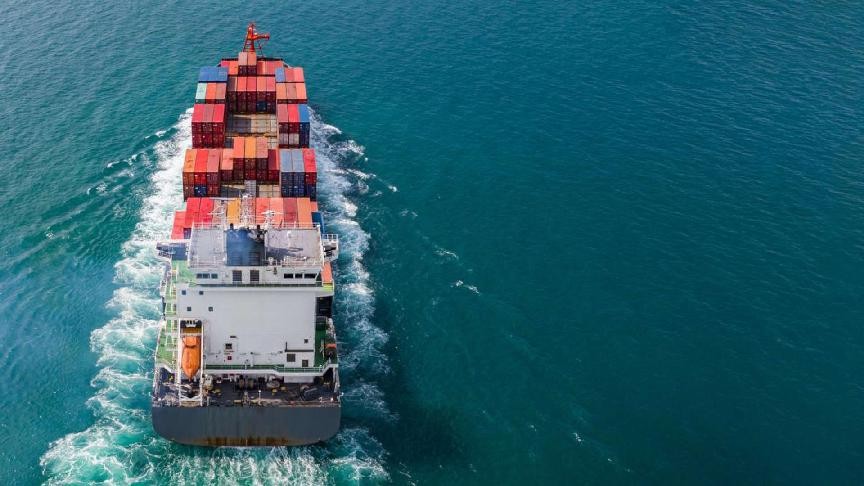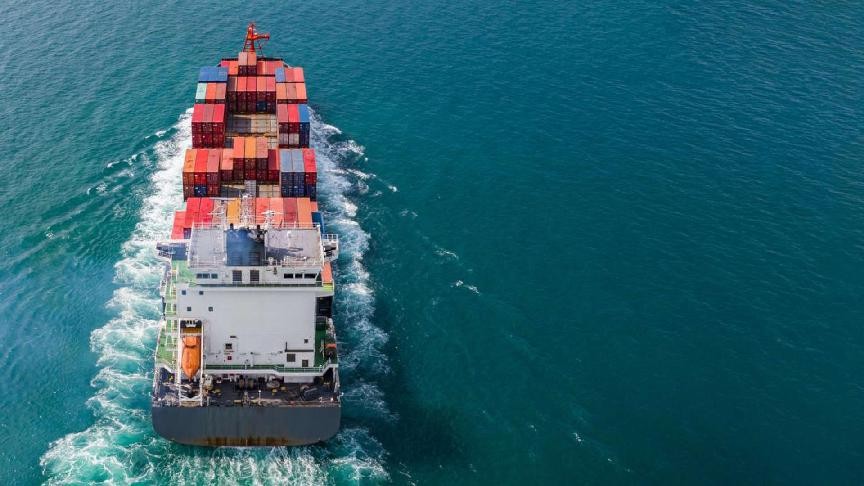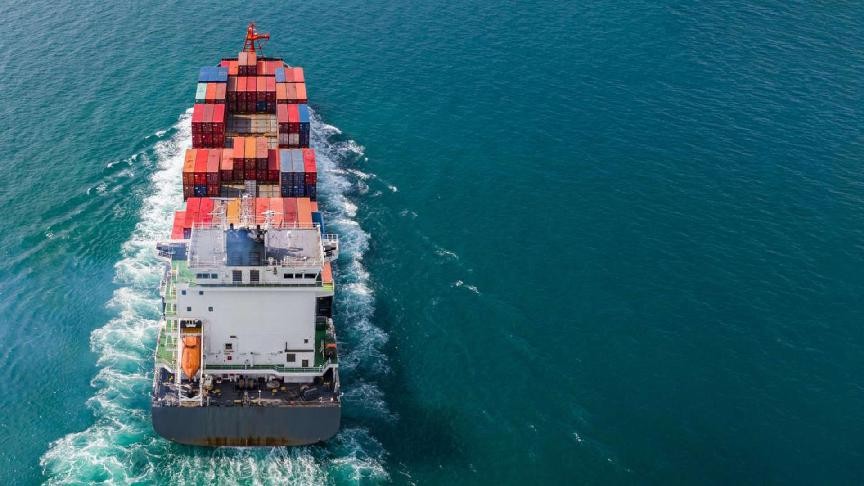

The shipping hub-and-spoke operating model, similar to the approach adopted under Maersk and Hapag-Lloyd’s Gemini Cooperation, is now central to HMM’s revised long-term strategy.
Recently, news circulated about HMM deciding to update its 2030 plans, reducing its container fleet capacity target from 1.55 million TEUs to 1.47 million TEUs while increasing the number of vessels it intends to operate from 130 to 166.
According to HMM, the revised approach combines ultra-large ships on main long-haul routes with an expanded feeder fleet serving regional ports.
HMM said the changes reflect a move away from a simple capacity expansion strategy. The carrier will place greater emphasis on medium and small-sized feeder vessels rather than focusing primarily on ultra-large ships.
An HMM spokesman told ShippingWatch: “We are transitioning from a simple capacity expansion model to a ’Hub-and-Spoke’, deploying ultra-large ships on main long-haul routes and utilising our expanded feeder fleet to connect regional ports.”
The updated strategy also includes a higher investment commitment. HMM has increased its mid-to-long-term investment plan to KRW 29 trillion, equivalent to approximately USD 19.8 billion, by 2030. The programme includes the expansion of the company’s combined container and bulk fleet to 276 vessels.
Alongside fleet growth, HMM said it will continue investing in terminals, ports and logistics infrastructure. Diversification remains a key element of the company’s plans, with continued investment in terminals and ports forming part of its strategic direction.