TWO of the world’s largest container lines are understood to be preparing major newbuilding programmes for megamax containerships.
France’s CMA CGM is believed to be behind a letter of intent for twelve 24,000 teu containerships at China’s Yangzijiang Shipbuilding, according to Alphaliner.
The vessels are understood to be specified with liquefied natural gas dual-fuel propulsion, with deliveries expected in 2029 and 2030. The ships are expected to be priced at between $245m and $250m each, putting the potential value of the 12-ship programme at around $3bn.
Marseille-headquartered CMA CGM is an existing client of Yangzijiang for megamax vessels. The carrier ordered ten 24,000 teu ships at the yard in 2023. The first of that series was delivered in May, while the final vessel is scheduled for handover in the first quarter of 2028.
Should CMA CGM be confirmed as the owner behind the latest letter of intent, Alphaliner notes that the carrier’s fleet of LNG-powered megamax containerships would rise to 35 vessels.
The potential CMA CGM order comes as Danish carrier Maersk is also understood to be preparing a substantial newbuilding programme.
According to Alphaliner, Maersk has invited Chinese and South Korean shipyards to submit proposals for around 20 megamax boxships of at least 24,000 teu. The vessels are expected to feature LNG dual-fuel propulsion.
They will be the first megamax containerships, which are able to load over 20,000 teu, in Maersk’s fleet. Its largest vessels so far ordered were its series of 11 “Triple E Mk2” class ships delivered by South Korean shipyard Hanwha between 2017 and 2019 and are of 19,630 teu.
The carrier is also believed to have sought offers for a further 20 ultra-large containerships in the 18,000 teu to 20,000 teu range.
If the reported 40-ship programme proceeds, it would add some 840,000 teu to Maersk’s orderbook, increasing from around 1.2m teu to over 2.05m teu, Alphaliner said.
Shipbuilding contracts are expected to be signed by the end of October.
The additional capacity would significantly expand Maersk’s newbuilding programme and move its orderbook into second place among the major container lines, behind Mediterranean Shipping Co.
Relative to its existing fleet size, Maersk has been rather conservative in ordering new tonnage in recent years, leaving the carrier with a need to catch up with its competitors.
The reported orders come amid a broader acceleration in contracting for the largest classes of containerships.
MSC, the world’s largest container line, was recently confirmed to have added five 21,700 teu vessels at China’s Zhoushan Changhong. They are understood to be options attached to a five-ship order placed earlier this year.
In June, MSC signed firm contracts for ten 20,000 teu LNG dual-fuel containerships at China’s Hengli Heavy Industry, with deliveries scheduled for 2029.
Cosco also joined the latest wave of large-scale contracting in late August, signing agreements worth $3bn for 18 containerships. The programme includes 12 21,700 teu megamax vessels from Shanghai Waigaoqiao Shipbuilding, with deliveries scheduled between 2028 and 2030.
The latest contracting activity is also raising questions about whether the industry is approaching another step-up in containership size.
The 24,000 teu megamax has generally been regarded as the practical upper limit for commercial containership design. However, some carriers are understood to be considering vessels exceeding 27,000 teu.
Higher fuel costs, rising environmental compliance expenses and the approaching replacement cycle for some of the earliest ultra-large containerships could strengthen the economic case for larger ships, particularly on high volume east-west routes.
Chinese and South Korean shipbuilders have already explored designs beyond the current megamax benchmark. Shanghai Ship Research and Design Institute, the design arm of China State Shipbuilding Corporation, unveiled a 27,500 teu LNG dual-fuel containership concept two years ago.
The renewed interest in very large vessels comes against a backdrop of rapid growth in the global containership fleet.
The worldwide containership orderbook recently reached almost 14m teu of capacity, equivalent to about 41% of the existing fleet in service.
Meanwhile, the operational fleet has expanded by some 42% since 2020 to around 34m teu, driven by a surge in newbuilding deliveries and historically low levels of ship recycling.
CMA CGM and Maersk line up new megamax boxship orders
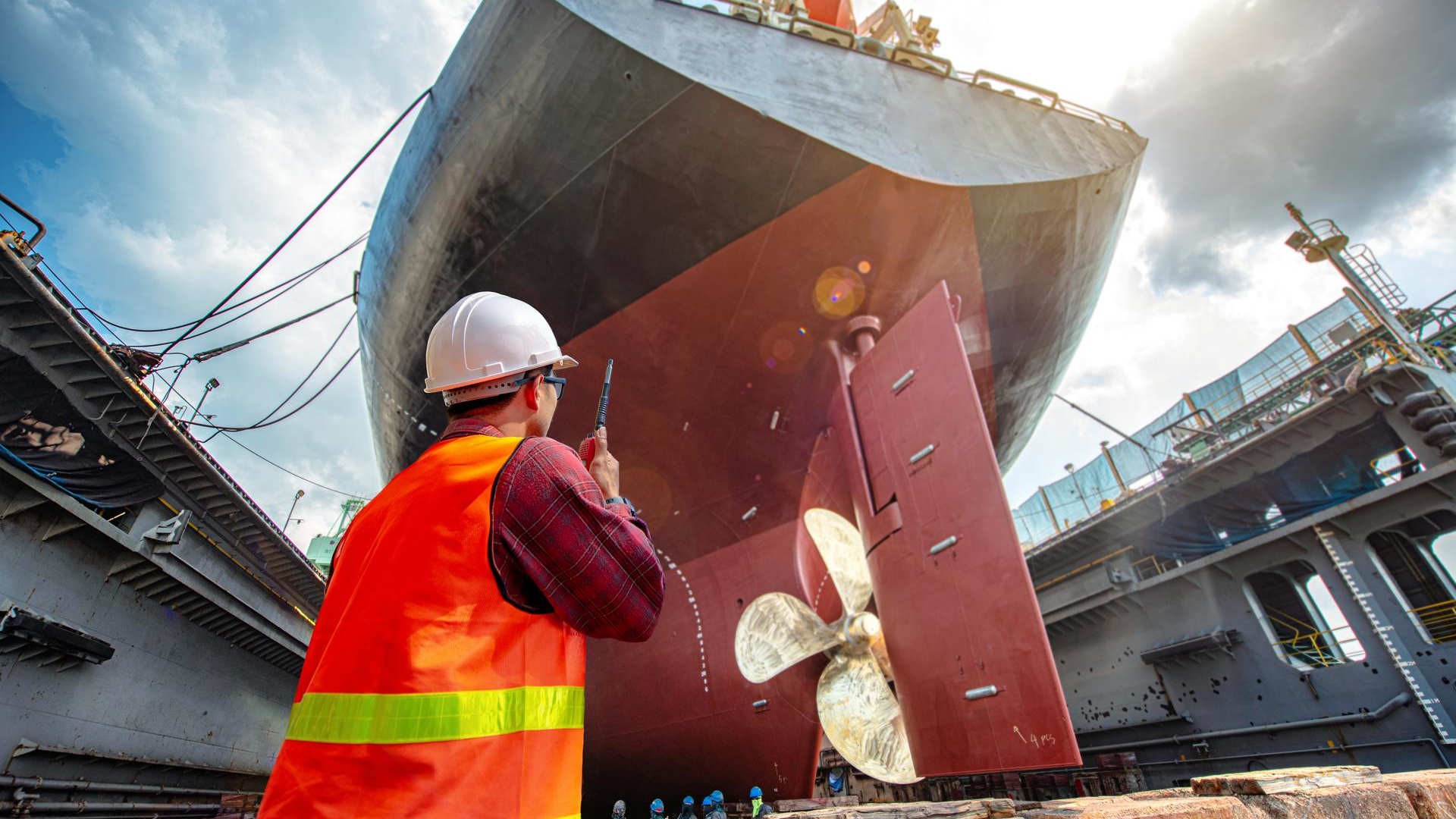
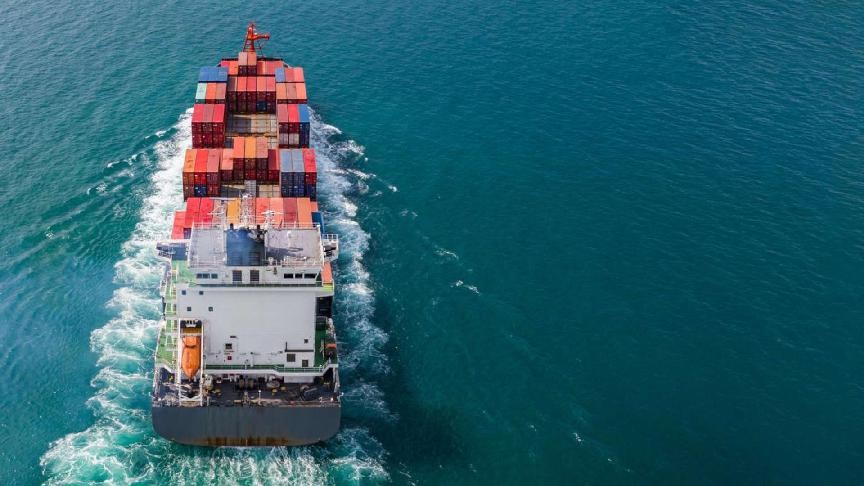
CMA CGM is understood to be preparing a 12-ship order for 24,000 teu LNG dual-fuel boxships at China’s Yangzijiang Shipbuilding

Source: Lloyd's List

Related articles
Sea newsCarrier service update (25 Sep - 10 Oct 2026)
Sea newsHMM Platinum continues firefighting efforts, seeks refuge in South Africa
Sea newsRed Sea container transits hit post-crisis high as carriers accelerate return
Sea newsSeptember newbuild wave highlights container shipping’s supply-side risk
Sea newsPort delays remove 3m teu of containership capacity
Sea newsCarrier service update (12 - 25 September 2026)