
24 April (Lloyd's List) - DRUG smugglers are using increasingly sophisticated methods to transport narcotics by sea, with the container sector being particularly at risk of becoming involved in the shipment of illicit cargoes.
These changing techniques are costing shipping companies millions of dollars in fines, vessel seizures, detentions and arrests, according to a report by security analyst Dryad.
“Smuggling organisations have typically hidden their narcotics within legitimate cargo inside shipping containers,” it said. “These containers are then loaded with illegal narcotics before they are put on board cargo vessels, unbeknownst to shipping companies and crews.”
While smuggling organisations had not widely involved crew members on board the larger cargo vessels, this had begun to change in recent years. Smugglers were now putting major efforts into recruiting crew from major global shipping organisations to facilitate the transportation of illegal narcotics.
Bribing and compromising crew was becoming more common, Dryad said.
“In 2019, the MSC Gayane (IMO: 9770763) investigation showed that more than a third of the crew — all Mediterranean Shipping Co employees — had helped transfer vast amounts of cocaine from speedboats at night off South America.”
The methods used by drug smugglers vary depending on the type of drug being transported and the region in question.
“In some cases, large containerships are used to transport drugs, with the drugs hidden among legitimate cargo,” Dryad said. “A common method used by drug smugglers is to conceal illegal narcotics within fruit cargoes. Narcotics are often smuggled in fruit cargoes from Latin America, and the amounts can be in tonnes rather than just a few hundred kilos.”
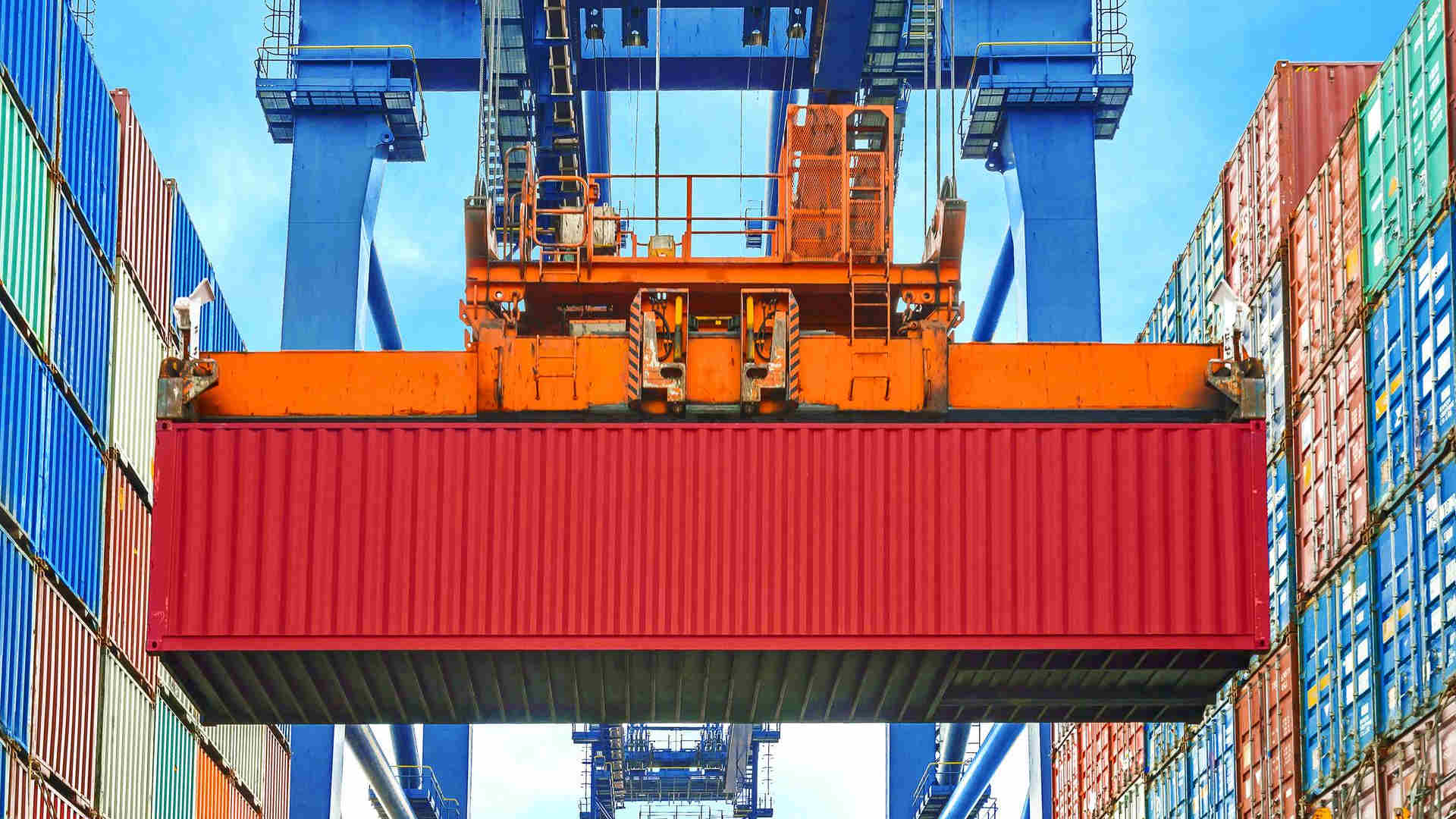
Smugglers also break into containers when they are waiting at a terminal to insert contraband before the container is loaded on a vessel, and use fake seals to conceal the intrusion.
“Drugs are often hidden in plain sight among the legitimate cargo,” the report said. “Smugglers have also hidden drugs within false walls or compartments within containers.”
Vessel operators also had to be wary about “parasite smuggling”, whereby below-the-water compartments of vessels could be used to store hundreds of kilos of drugs. These could similarly be strapped to the hull itself or to underwater appendages. In one case, 200 kg of cocaine was found in a concealed container welded to the hull of a ship.
The report provides an extensive list of mitigating actions that can be taken by the carrier, master and crew to reduce the risk of drugs either being loaded or attached to ships. These range from informing crew of the risks and maintaining visitor record books, to ensuring access to the vessel is secured and that searches are conducted both internally and externally before departing port.
“The global drug smuggling trade is a complex and constantly evolving phenomenon, with new routes emerging all the time. By understanding the key patterns and routes used by smugglers, law enforcement agencies can work to disrupt and prevent the flow of drugs into their respective countries.”