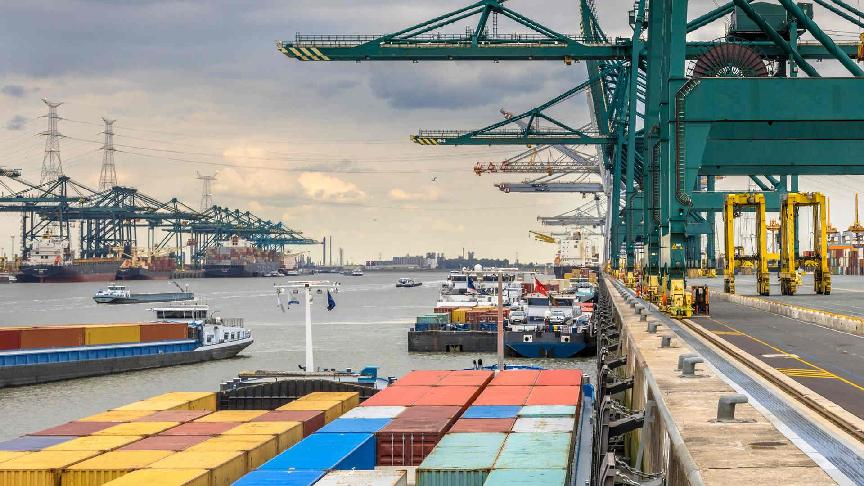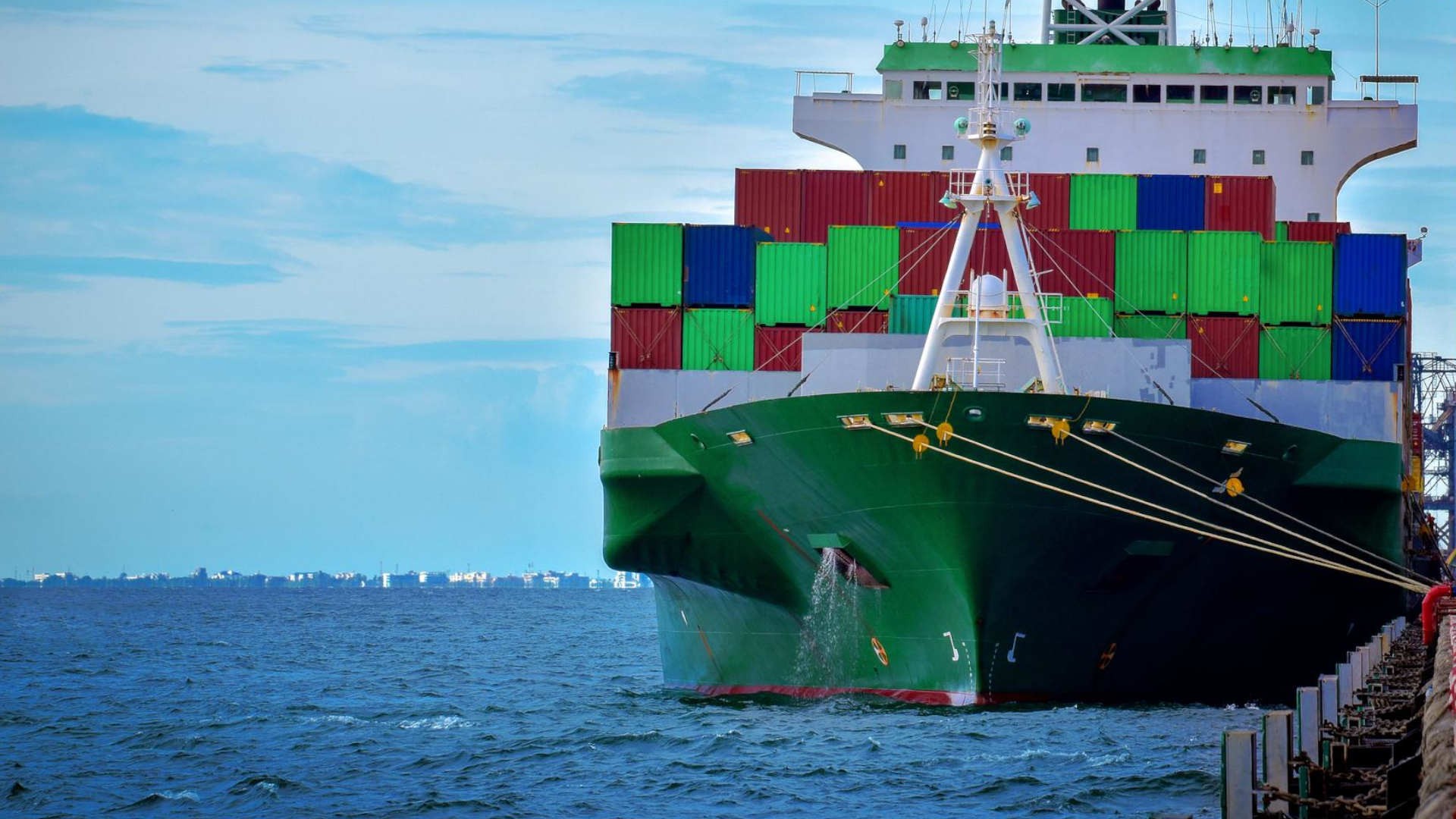

AI COULD help ports manage scarce shore power capacity, according to a consortium looking at the technology’s feasibility in the UK.
Energy integration adviser Ameresco is leading a project with the Port of Tyne, Cranfield University and GeoPura, a maker of hydrogen-powered generators.
It will look at how ports can deliver clean, reliable shore power to the new generation of hybrid and fully electric service vessels by better managing available power and ship arrivals.
Ameresco UK technical director Matt Squire said the big challenge for ports was the availability of power when you need it.
“If you can use AI to more accurately schedule your ships and your charging, then you can maximise your available capacity,” he said.
Ameresco, with funding from the UK’s Clean Maritime Demonstration competition, has built a digital twin of the proposed systems “right down to a sub-component level, to allow that AI to be optimised”.
But Squire said the challenges of providing cold-ironing were threefold.
“Financial is probably the largest challenge, in that the cost of marine fuel is relatively cheap, especially if it’s bunkered somewhere that is low tax [or] no tax,” he said in an interview.
A direct grid connection is usually the cheapest way to do shore power, but these are not easy to find in the UK.
Novel technologies like hydrogen fuel cells, methanol engines, batteries and on-site generation have all been suggested as options for ports without grid connections.
Physical connection
And then there’s the practical problem of how to physically connect a vessel, especially if it’s not the same vessel each week. “There’s no one standard,” Squire said.
To get a grid connection, a port must ask the energy provider (the Distribution Network Operator in the UK) for extra capacity, which comes at a cost.
Once the power is available on site (typically as an 11,000- or 33,000-volt AC connection) it has to be distributed. “You might be talking five kilometres of additional cabling,” weighing hundreds of kilograms.
The voltage and frequency may need to be changed depending on the vessel, and the cables managed across a long quayside.
The British Ports Association said last month that shore power could fail without reform to make it cheaper than diesel for ships at berth, after reports that investments by Portsmouth and Aberdeen could end up never being used.
“This is not an abstract issues; we are seeing the risks manifest themselves in flagship, government-funded shore power projects that will have a chilling effect on future investment in this important capability,” the BPA said.
“It can take up to 15 years to secure the amount of power needed from the grid for shore power projects.
“Once secured it needs to be used or we risk seeing it handed back.”