
16 August 2023 (Lloyd's List) - AFRICA needs significant investment in infrastructure to improve its chances as a supply chain destination, according to a new report into the continent’s potential from the UN Conference on Trade and Development.
“This is Africa’s moment to bolster its position in global supply chains as diversification efforts continue,” Unctad secretary-general Rebeca Grynspan said. “It is also an opportunity for the continent to strengthen its emerging industries, foster economic growth and create jobs for millions of its people.”
African countries’ abundance in minerals and metals vital to decarbonise the global economy makes the continent an attractive destination for manufacturing, particularly as geopolitical and economic frictions compel manufacturers to look to diversify their production locations.
“In recent years, global supply chains have come under immense pressure as a result of unprecedented trade turbulence, economic uncertainty, geopolitical events and natural disasters,” Unctad said. “Consequently, these supply chains were severely disrupted. This has led key players to re-examine ways to strengthen supply chain resilience.”
This in turn created an opportunity for African economies to heighten their involvement in global supply chains, it added. Unctad pointed to several industries that had come under pressure during the supply chain crisis, from semi-conductors through to the electronics and automotive industries, all of which required the use of critical minerals and high-tech metals for manufacturing and services.
“Africa, which boasts an abundant supply of raw materials with utility in the energy, automotive and electronics sectors, could provide an opportunity for the diversification and resilience of global supply chains by offering a new regional market for businesses and industries in their quest to further expand their supply chain relationships,” Unctad said.
Africa also offered advantages such as shorter and simpler access to primary inputs, a younger, technology-aware and adaptable labour force, and a burgeoning middle class with growing demand for more sophisticated goods and services, Unctad said.
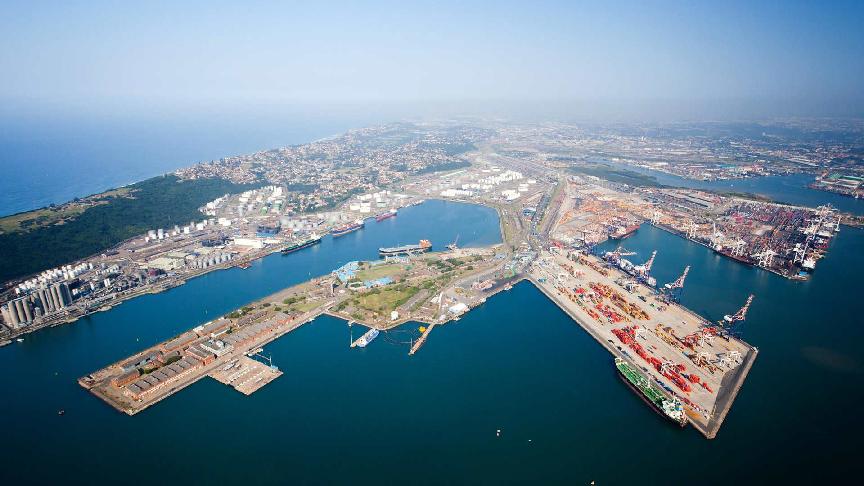
But it warned that venturing into Africa as a supply chain destination would require “enormous investment” in infrastructure, human capital and technology. “The state of infrastructure development is not yet at a standard and quality comparable to other developing and emerging countries, and is one of the main barriers to logistics and supply chains on the continent,” it said.
National policies had focused on extractive industries and a reliance on external inputs adding little value to domestic supply sectors. “As the interest of potential investors and global suppliers to deepen their footprint across the African continent is carved out, incentives to invest in and build partnership with local suppliers and customers will be key,” Unctad said.
“National and regional initiatives to scale up financing for infrastructure development and improve logistics performance in Africa, such as the African Union Programme for Infrastructure Development in Africa, are promising and can strategically enhance the integration of African economies into regional and global supply chains.”