
According to Lloyd's List, the Federal Maritime Commission (FMC) is entering 2026 with a stronger mandate and a significantly more assertive stance.
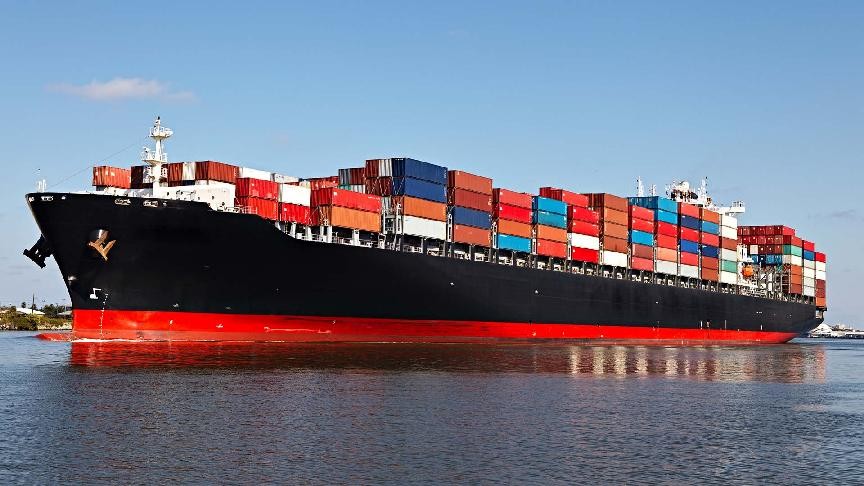
Although small in size, the US regulator possesses far-reaching authority: it can block a country’s vessels from entering US ports, restrict cargo flows, or impose fines that reach $2.4 million per port call.
With multiple politically sensitive investigations underway and its leadership likely returning to full capacity, the FMC is positioned to shape several areas of global shipping policy in the year ahead.
The agency has been operating at minimum quorum since mid‑2025, following the departures of Louis Sola and Carl Bentzel. The Senate confirmed Laura DiBella in December, while nominee Robert Harvey awaits consideration when lawmakers return in January.
Once both seats are filled, industry observers expect a more proactive and outward‑looking regulatory approach, supported by continued congressional funding for broader enforcement activity.
The FMC is currently examining three areas that could lead to formal actions:
- Spain’s handling of US‑flag defence cargo,
- the resilience and governance of key global chokepoints, and
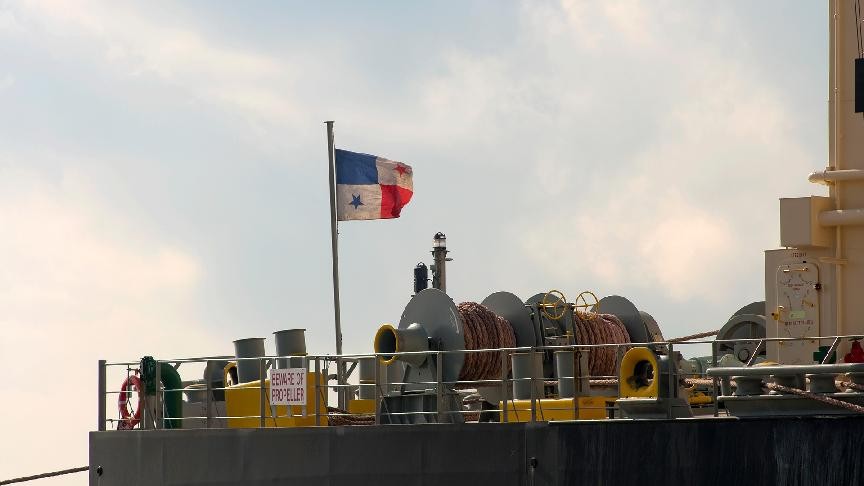
- practices linked to flags of convenience.
Spain investigation
The inquiry into Spain stems from Madrid’s refusal in late 2024 to authorise transit of defence‑related containers on three US‑flag vessels.
The FMC states that the policy may create adverse conditions for US foreign trade, while Spain argues that its export-control rules apply uniformly and relate to cargo content rather than vessel nationality.
The Commission is gathering comments until February 2026 before deciding whether remedial steps are warranted.
Chokepoints and flag-state controls
The other two investigations carry broader systemic weight.
The chokepoint review covers seven strategic waterways at a time when political attention on Chinese infrastructure involvement is increasing.
The flag‑state probe assesses whether some registries are enabling insufficient oversight or facilitating opaque operations, raising questions about safety, compliance, and long‑term competitiveness.
Industry commentators also view these inquiries as potentially intersecting with the US's positioning around the delayed IMO Net Zero Framework vote in 2026, according to Lloyd's List.
A regulatory authority with precedents for decisive intervention
The FMC has a history of using its powers to challenge foreign practices.
Most notably in the late 1990s, when it imposed steep fees on Japanese liner operators and prepared to bar their vessels from US ports, prompting rapid policy concessions. More recently, its pressure led Canada to revise ballast‑water rules in the Great Lakes without penalties being applied.
Outlook
With new commissioners expected and a broader enforcement agenda in motion, the FMC is signaling a readiness to expand its reach into issues where global shipping decisions intersect with US interests.
For carriers, port authorities, and policymakers, the Commission will be a critical actor to monitor throughout 2026.