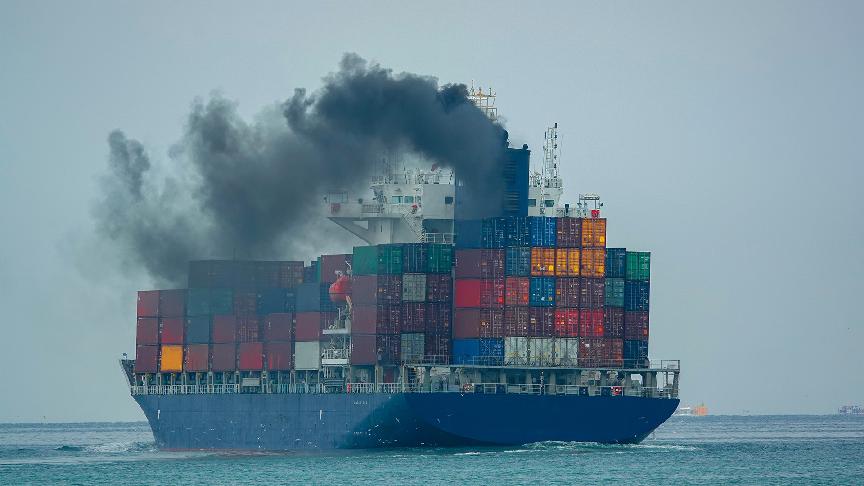

27 June 2024 (Lloyd's List) - MORE than 400 deaths could be prevented per 1% reduction of emissions at anchorage. That’s according to a new study published by the Hong Kong University of Science and Technology, which is a member of the Blue Visby consortium.
Blue Visby is a software that uses an algorithm to plan port arrivals based on a vessel’s performance, weather and congestion at destination. It aims to end the inefficient “sail fast, then wait” practice which leads to extra idling and pollution.
The study said ending the practice could prevent 418 premature deaths per 1% of emissions reduced at anchorage.
That adds up to more than 10,000 premature deaths prevented if applied worldwide, with China accounting for more than half of the lives saved.
To reach these numbers, HKUST simulated Blue Visby to 102 ports, calculating the reduction in anchorage by using the software and therefore the reduction in emissions (particularly PM2.5, or particulate matter).
The researchers used country data on mortality rates for diseases associated with PM2.5 exposure, including pulmonary exposure, lung cancer and heart disease.
While China may be where the most premature deaths are prevented by eliminating sail fast, then wait, South Korea demonstrated the largest change on baseline, with a 1.35% reduction in premature deaths caused by particulate exposure.
Haris Zografakis, a partner at law firm Stephenson Harwood (a co-coordinator of the project) likened sail fast, then wait to smoking on aircraft.
“Now we know better,” he said on LinkedIn.
“A few hours of ships waiting at anchorage won’t make a difference to anyone’s health, will it?”
While an improvement, these numbers pale into insignificance when compared with exposure to everyday pollution. The World Health Organization estimated that 4.2m premature deaths were caused by outdoor air pollution alone in 2016.