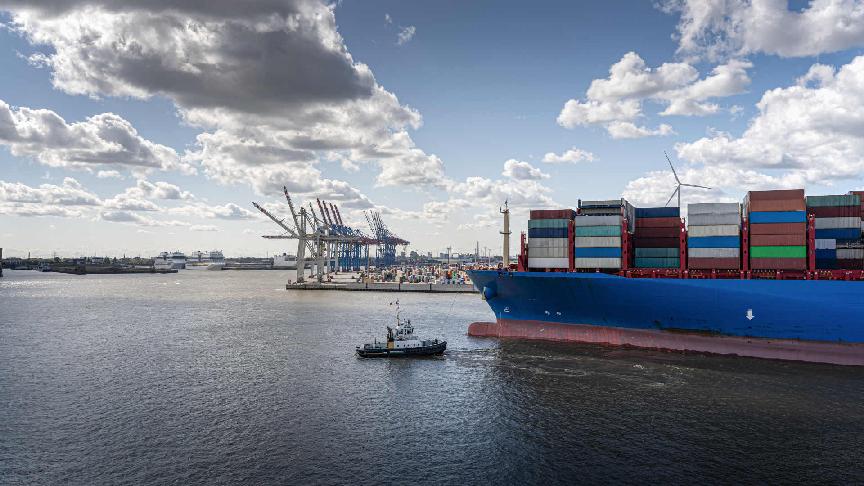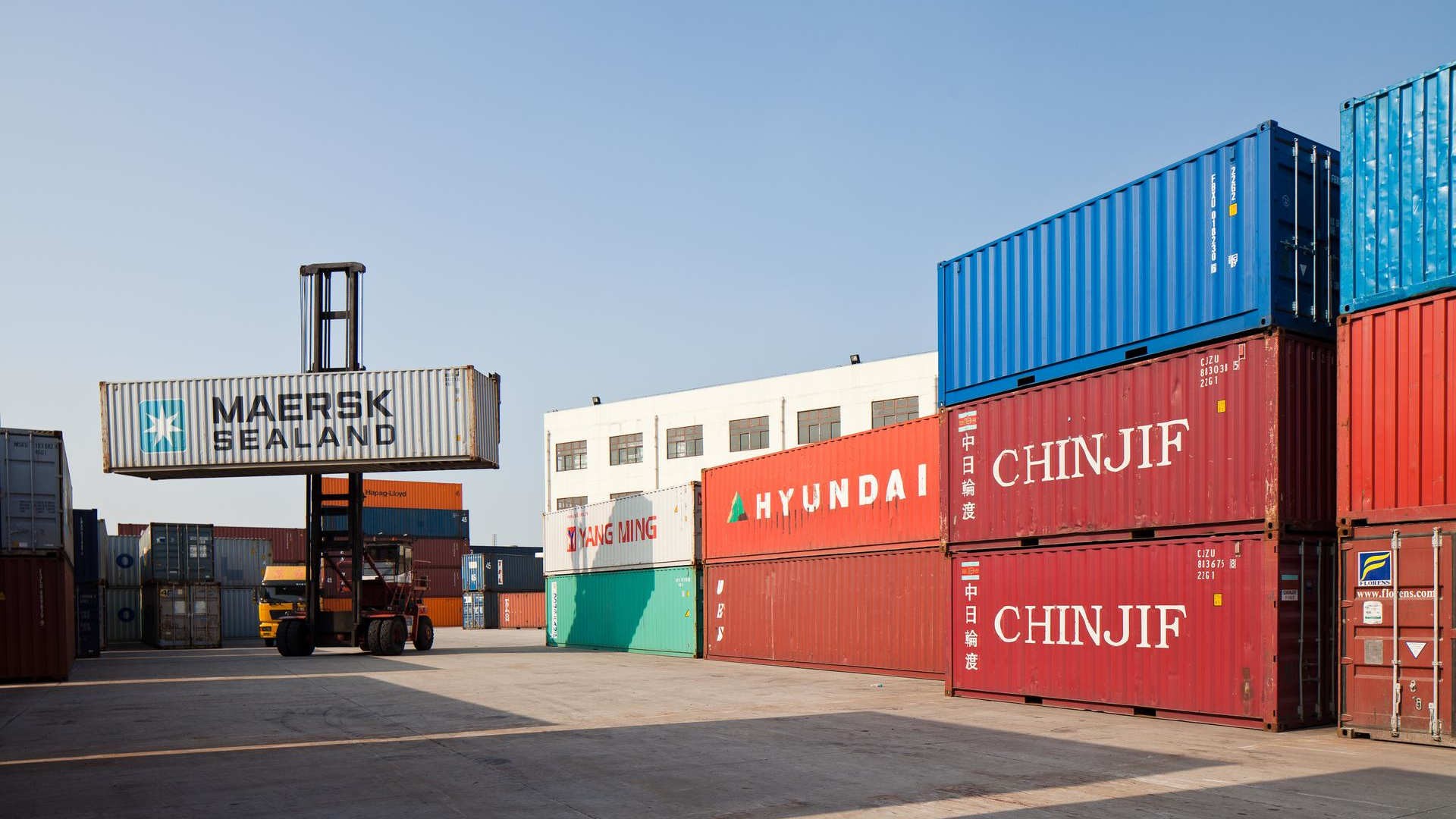

CHINA’S Cosco Shipping Ports has won approval for a 50-year concession to develop and operate a multipurpose terminal at Spain’s port of Tarragona, marking the first Chinese investment in a European port for more than three years.
The concession will be awarded to a consortium formed by Rapport Investment –a non-wholly owned subsidiary of CSP– and cargo service provider PTP in Spain, with a formal grant subject to incorporation of the project company and agreement signing with the port authority, CSP said in a regulatory filing on Friday.
The Tarragona project, estimated at about $168m including tax and interest, follows CSP’s 2023 acquisition of a minority stake in a terminal at Germany’s Hamburg port, which triggered a strong national security backlash within the German government. Since then, the EU has heightened its scrutiny of Chinese influence over the bloc’s critical maritime infrastructure, largely stalling Beijing’s investment in European ports.
The latest Chinese terminal investment in Europe also comes amid an ongoing geopolitical flashpoint between Washington and Beijing over control of Panama Canal ports. Last August, CSP executives declined to comment on the still-unresolved sale of CK Hutchison’s port assets, but said the company would press ahead with its overseas expansion.
The pending concession is expected to strengthen and diversify CSP’s presence in Europe, the state-back operator said in the filing, noting the Tarragona terminal will also serve as an intermodal logistics hub facilitating cargo flows between Europe and other regions such as Asia and Latin America.
Covering over 510,000 square metres, the Tarragona terminal project will accommodate containers, general cargo, vehicles, ro-ro traffic and rail-borne cargo upon full implementation.
Rapport Investment and PTP will respectively hold 51% and 49% of the equity interest in the project company following incorporation and contribute capital in proportion to their respective shareholdings.
The Chinese-led joint venture will begin operations late this year and achieve its maximum capacity estimated at 680,000 teu by the end of 2028 after construction work, according to the Tarragona Port Authority.
Unlike the US, which has a history of targeting foreign port ownership, Europe has traditionally welcomed overseas investment, including from China, to fund its infrastructure development and strengthen trade ties.
Over the past decades, this open-door policy has enabled Chinese entities, including state-owned operators and Hong Kong’s CK Hutchison, to hold stakes in nearly 30 terminals across the EU.
However, as geopolitical tensions mount between the US and China, the EU has more recently started voicing concerns about Beijing’s potential geopolitical leverage gained through ports and the continental foothold of state-backed giants Cosco and China Merchants Port Group.
In 2023, CSP’s planned 35% stake in Hamburg’s Container Terminal Tollerort was cut to 24.9% after opposition within Germany’s coalition government. The cabinet also barred CSP from increasing its stake or securing special control rights.
In 2024, the European Parliament urged a rapid-response system to flag Chinese-linked infrastructure used for dual civil-military purposes, with powers to suspend rights or end concessions if risks arise.
The European Commission’s Port Strategy, published in March, explicitly warned that foreign ownership or influence in strategic port assets raised “questions about long-term alignment with EU economic security interests, especially where state-backed actors are involved”.
The commission is currently developing guidance for EU member states for assessing foreign investments which will “establish thresholds and criteria for foreign influence, such as influence on strategic decisions, control of operations and dependence on high-risk suppliers of equipment”.
A framework for mapping and monitoring foreign investments in EU ports is also expected to follow, in line with the Foreign Direct Investment screening regulation and the EU Economic Security Communication.